
Rough notes > Economics > econ2
/see reg,dereg, de [depression], stim, bail
/ c morris: r. reich is lib. martin s. feldstein is cons.
m – the deficit is holding off am investment. 0. ..we are not the world largest net debtor. too hard.
foreigners own l5% of us fed debt, and 21% of w. germ’s debt. our deficit is well within the normal practice of morst other industrialized countries
chas morris: rob reich=lib martin feldstein=cons
l deficit is choking am invest. – false
2 largest debtor nation [not per capita nor as % of gnp] [but for $ flocks here] false as we earn more on for debt [hard to follow]
3 debt will impoverish our kids [did he disprove it]
for ownership. ford set up big plant in eur in 60’s. said it would impoverish or control eur. didn’t. same here. besides for own only l5% of us debt? and we own 2l% of w. ger’s debt. hard
4 financing the debt make int go up. false it went up before the debt. [weak]
5 fed deficit causes trade deficit no correlation.
deficit has been falling. is 3% of gnp = ty of other countries.
To reduce it look at: food sub, carriers, wel [or ss?] for rich old
- samuelson in same issue: l living standards have not stagnated. 2 but their rise has slowed. 3 the poor haven’t shared [in the rise].
job loses often in uncompetitive industries. layoffs enabled steel to increase amount of steel produced/wkr by l00%. [that out to tell you something].
if profit is sin then is loss virtue
big biz profit is obscene.
/cal is 6th largest econ power in world/
m /reported china econ is overheating. thus unflation of 20%, corruption and unrest – who are they to say it’s overheating.
/I remember something about the mex miracle in early 80’s?/
/in lima you have to stand in line
/gov has debt; informal sector has no debt/ [so. am. journey] no elec. and water has to be trucked in. yet 8 mo pregnant woman smiling. they recycle glass &? metal?
/ 3rd world doesn’t have to pay back debts, but local farmers and biz do/
/gov will help big banks bail out 3rd world, but not small us banks
/ morey safer is anti biz
/ highly biased report
/ 20% of this country can’t afford? the services of a bank
/ deposits aren’t free anymore
/blkbusting: panic whites into selling [low?], and sell hi to minorities. also do this to beat rent control. those on wel demand less serv.
/us sugar’s bout 60% higher than world price/
/ some countries subsidize producers, some the consumers/
/foreign ownership helped by deval the dollar
/ ams being pushed out like the poor have been/
Nations, societies go thru these stages:
l poor and think of selves as poor – [and work 7 dy/wk] – china?
2 rich and think poor taiwan, hong kong
3 rich and think rich so why work so hard. from 6 dy/wk to 5.
poor and still think rich u.s. – overextended on credit, expensive life-style, think life owes em a living.- from guy on opra whinfrey.
/a world w/o foreign investment=latin am – sig.
/how do libs and cons feel about jap econ success and penetration/
/when did various soc… begin to lend at interest – does communism permit interest
/ some employers hire unskilled? help for 90 day periods only rather than pay benefits. sig
la’s econ boom [partly] due to cheap labor – many making $l-$2/hr. – la
- samuelson. no reaganomics as reagan’s success rested on pri ent. many econs don’t get this. ended hi infl as it subverted growth as people couldn’t plan for the future. thus strong support for fed reserve anti infl policies that led to 81-2 recession. some think reagan didn’t earn his success. they didn’t understand: he chose NOT to meedle – a reversal of last 20 yrs of “full employ” & “managed econ”.
gov’s main tools: int rates, taxes, spending can help prevent depressions and infl. using them for every variation does more harm than good. the big deficit does NOT discredit his entire performance. it did not create the growth. it did contribute to the trade deficit. the fed deficit will not create a future econ crisis.
his supporters and his critics exaggerate. his cutting top tax rates did not create growth. most econs oversell their approaches on the march to power and fame. ams came to believe gov creates growth. nonsense. the econ grew for over l50 yrs before any cent. mang. often rr trusted his own instincts over the ad of econs. – one reason they don’t like him. his belief that gov was the cause of problems made him effective with infl, but not with deficits. taxes are l9% of gnp. [????] so forget slogans and learn the sig of pri ent. [sam… could have pointed to ir]
==============================
/dollar was rising on its own but baker said we should lower it because….of infl? or trade deficit. so he worked it down. and his comment to germany bout doing same? help plunge the market. /
/new guy opened econ of turk in 83 and brought a miracle in the next 4 yrs-and the rich became richer and the poor, poorer.
/good econ relations should preceed good pol relations as econ involves more people.
/choc full of nuts tried no tipping and it didn’t work [twa tried it]
/banks issued their own currency before the civil war /tobacco was earlier/ /the float is the diff between the time you put the money in and draw it out of the bank./
/kymer rouge abolished $. as did anarchists in spain and someone in ussr?
/poor hurt more by infl?
—– —— ——- ——
/baker tried to solve the trade deficit by putting the dollar into a free fall. It didn’t improve. foreigners found they could buy even more us assets at bargain prices. from the book YEN
/lender liability – new in banks?
/ archbishop in brazil says don’t pay debt
/ banks are reged AND protected by the gov.
/ deficit doubled by 84 and bout trippled by 88.
/ horses died out in no. am and people became isolated. 300k
/us gov can’t buy a for. icebreaker
/why shortage of nurses
/infl means not nec to raise taxes
/20k infl in nicaragua
/lot of infl in the expanding economies of other countries. phil used to sell land here for $l.25/ft, now he sells it for $25/
/bastiat: biz wants limited comp, unlimited market. producers vs consumers.
/for investment creates biz that employs 3 mil ams, pays 80 mil in wages, finances deficit, save hundreds of plants. their banks make l/4th of biz loans. mayors and govs court em. same in l9th cent. with some of the lowest marginal tax rates in world, lo infl, us is again [?] good place to invest
-reason
/much fewer restaraunts in so. africa as cheaper and easier to eat at hm via servants, poole thinks. l00 am cos left. others fill in. sanctions cost 2l0k blacks their jobs. ea one supports l2 people. sanctions might have supported extremists.
/reason /3rd cent: we’re tending to consider asian mercantile policies of using gov to develop and maintain trade surpluses. same happened during depression. m comp is entrpreneurial spirit and open system. thus many new cos ea yr. rare in asia [?] and eur. 80’s = decade of the entrepreneur. r. reich is a doomsayer. he and galbraith think gov should “help” [tariffs, subsidies] but nimble am cos beat big jap cos every day. big takeovers are a fad, /future is in small cos. im is it. we let in more ims than rest of world combined /ims bring lot of drive, their ir econ savy, and connections./ miti’s rep for successful targeting is vastly overblown/ jap lifetime wk covers only l/3 and smothers talent. jap $ goes to us as it’s fundamentally strong vs theirs which is fundamentally weak. [we’re a better investment- that’s why ims come here too – sig] tech is tied to manufac.. ,manufac.. does matter. review by bailey of forbes/ #
/infl due to drought, oil, low dollar, wages up we had no trouble with free trade while flourishing. what went wrong: we don’t ed or invest like we did. how dare or competitors train more engineers when we produce lawyers; how dare they drill their kids in sci, math, and lang when l/3 our kids grad func. illit.; how diabolical to save and invest their capt when we spend ours/
our dairy quotas [tariffs?] cost us [each?] $200k/job saved: l0 times the average wage [saved?]. tariffs discourage reform. us news 5/l6/88 .
/l.l. won’t take wel
/ zuppan: eur farmer got 2l2/ton for corn when it sold for 97. and 577 for soybeans when they were 267. due to subsidies. us more productive
/nothing can explain why am good in med tech?, swiss in chocolate, german’s good in mach?, jap in elec?
/why max hrs for wk but not study of play or ….
/us good for invest .. as some of the lowest marginal tax rates, low infl, and stable pol. – reason
/r samuelson: newsweek l/9/89 in 60’s galbraith said the cap and comm systems converging. both relied on cent planning by big org, which created growth. the market didn’t create it. [crap]. wrong as the two are diff and the diff is the market, which requires decentralized econ power. us never suffered from rigid class control. comm..ism was simplistic [!] tech change is too complex to be managed by any elite. existing orgs become wedded to existing tech. w/o comp, they become wasteful. cap has huge pressures for change: the possibilities of profit and bankruptcy. in 50s and 60s the term cap fell into disuse. blew the end.
/3rd cent [bk] asian challeng is asian oppor. depression brought int in industrial policy in eur. now we’re thinking like that. but our strengths are: entrepreneurial cul and open econ. entrepreneurs are rare in jap and eur. we’ve done well in that in the 80s.. sm cos create 89% of new jobs from 77-85. l8 mil new jobs. eur lost 3 mil. reich is a doom and gloomer and galbraith is no help. help = tarriffs. stopped on 52
/no convertable currencies along chinese/soviet border. but china seeks and gets hard currency in their eastern sec.
/rr admin pushed $ down.
/buckley; by current standards [?] 90% of ams were poor at turn of cent.
themin is an accretion of the new deal that is not pub defended by any serious economist. buckley slams sen mitchell
/fee: we pay double the world price for sugar.
myths
l trade deficit 2 being a debtor nation is bad 3 imports hurt am jobs 4 us manufacturing down due to ir comp 5 many new jobs are menial
6 cheap foreign labor is an unfair advantage 7 protection nec to stop dumping 8temp.. protection nec 9 level playing field with trade barriers l0 protection aids unions
/r & d hurt by anti trust laws – sig – mcneil/lehrer
/which countries were affected most and least by our? depression. how much of it was ours.
*/fed raised prime to cool down overheated econ to prevent infl 5/88
/econ. hh said it had the most myths of any field
/gray market
/british had lot of tarrifs, had mono on rubber so us built there.
/why do currencies fluxuate
/rampant insider trading in tokyo stock exchange
/jap has trade surplus with us , but we have one with lot of countries
/terms: dumping, plantation econ. dirty work. sweat shop. stoop labor. menial. dead end
/did several wars get us out of depression & slumps? /panic of l907 or later? recession? wiped out by wwi?
/why did mining and other cos provide co housing, co store, etc.
/labor intensive to capital intensive to machine int.. to data int.. we export our tech @#$%^&*
/ireland taxes 58% of white collar wages. exodus of talent. 200k illegals from there here.
/dollar started to drop in ’69
/govdoms l-2% of us econ. vs l0% in eng ’87. dup
/us has largest free market but is this % wise?
/us created l0 mil jobs 82?-87; eur – 0.
/top 2% have 38% of the wealth; bottom 20% have less than 5% ’87.
richest 5% make as much as poorest 40%. must be us
in brazil richest l% make as much as poorest 50%.
/for investment not mentioned in trade deficit
/smoot-harley made depression far worse
/korea pays l/3 of jap which pays l/3 of us 86
/’86. dress shirt $3 in korea, $l5 jap, $24 us
/8l ne was down. 86 coming back but down? l/90
/wwi – all went off gold standard and inflated to pay for war.
/fdr took us off the gold standard
/breton woods l944. all decided to gear to dollar, which nixon later threw out arbitrarily and let it float.
/l0% inctax hong kong
/mercantilism is an ext of the st – thru biz.
/never told the evils of mercantilsm cn
/world econ shifting to pacific
/euro unity in ’92 is last gasp of their mecantilism. ron bailey of forbes in 3/89 reason
/ed follows trade – told to peter the great.
/us has highest cap gains tax in world – used to be 49%, and the highest cost of capital. r 9/l0/89
/lockhead and chysler.
/econfreedom emerged same time as pol freedom = adam smith and us rev.
/jap higher % debt but smaller % of savings to service it.
debt/saving [or service?] ratio
/w. eur saves more than us [but depends on tax code?]
/carter: 23% int and l3% infl
/shiftinvest.. from debt to equity
/howard hunt: land tax activates land. land reform in mex didn’t work.
[macarther put land reform thru in jap]
us banks loaned mex $ knowing us would bail out mex
/keypunch + to barbados, jamaica for l/8th the pay [50/wk vs 4-500] ’86
/reason. nov 88 eur farmers getting over double the world market price for soybeans and corn – thanks to subs. zupan 3/89
our dairy quotas [tariffs?] cost us [each?] $200k/job saved: l0 times the average wage [saved?]. tariffs discourage reform. us news 5/l6/88
/rent control does what to the classes
/it’s over when pop loses faith in the currency
/imf more pol than econ – tv
/bit on imf – sig. freeman 4/89
/refugees in some for countries are forbidden to work
/a big trade surplus means your econ is imbalanced – that your people have been prevented from buying and living as well as they could. jap.
/for.. invest revitalizing some of our industries. they buy as: dollar down l/2 in 3 yrs [why]. but what other reasons – something’s missing – why do they have the $.
/could strikes be natural? anyhow don’t libs feel they have to meddle?
/for aid = debt relief?
/lat ams do well here – de soto. so it’s the system there
/samuelson: econ and pol freedoms closely connected. cap econ devel subverts auth regimes. which come in 2 types:
l auth soc with st run econ : ussr, china, and to lesser extent mex.
2 countries that try to combine cap and auth rule: so korea, taiwan, chile
cap needs freedom and felx. which are at odds w/ repressive govs.
l2k infl – argentina.
l market econs require dispersed decision making – a direct threat to cent pol control. once people act on own, they question auth. econ reform can release religious, nat, or cul discontents.
2 market econs create pol grievances that have no outlet in auth regimes.
3 can’t stay isolated from world.
but these forces don’t bring automatic dem. tienamen sq.
ussr deficit is 3 times ours. % wise. infl in china is 25-30%. #
/didn’t give jap a marshall plan
.reason econ growth [jobs] from 80-86 was in small cos.
/our marginal tax rates are lo.
/virtually all jobs created 80-86 on net basis were in cos w under l00 workers – reason. 3/89
/2% of pop own 87% of the wealth and is the dom force in the econ and pol arenas – l. thurow, said let to ed same as el salvador
/l3k infl in brazil l2/89
/best ideas are the simplest. cut taxes, civilian spending. stable $ policy. dereg. fried stresses the sig of $ – the next? of stable growth in supply of cash and credit. the most sig thing bout budgets is the level and direction of spending – not deficit. spending sets priorities.
rr: markets are smarter than economists. pro garf here. infl can hurt the dollar as a sound foreign investment. l no sub for sound $. 2 free markets do work 3 deficits by selves won’t kill you. the most impressive peacetime econ recovery of any modern pres.. Modernization requires markets,
/Free markets require some pol freedom and they generate demands for more of it. china
/capitalism – rule by wealth. totalitarianism – rule over wealth.
/fdr devalued the $
/jap can bring hm 2k of stuff. we can bring only $400.
/us production has gone UP in 80’s. growing slower, but still highest. then canada,france, italy, w.ger,belgium, norway,holland, eng. jap
us into serv jobs more slowly than others. us new l/8/90
/jobs go begging while we handcuff illegals
/30k% infl in nicaragua
-2/90/free ports: hong kong, tangiers? singapore
– vs cuba and nicaragua
/buckley 3/l8/90 r. the 2 tax reforms, 8l, 86, reduced infl and spurred big growth of 2-3%, which was far more than they cost in taxes.
/excuse industry. samuelson l2/ll 89 newswk. iacocca is leader. blame yen.
[cost of capital reflects int rates, infl, taxes, returns to stockholders, co debt-equity ratios.] excuses of 80s: deficits, trade practices, hostile takeovers, jap. these hyped to pass leg.
/protectionism is like unionism.
/upper l/3 of wkforce will do well. middle worse, and bottom = 3rd world in us 3/90/econ.
/4/90 us news says if we free trade w/ mex, we can be biggest block. could be realgood./ pawn shops [collateral] world’s 2nd oldest pro. l/3 of val. 3-20% int/mo [by law] /natural law. loans in service 50%. in prison 200%
/nba, football, baseball, etc.
/allows the classes to settle out. min wage too – some will and should? only be servants, which allows others to do more.
/the vices
/cap facilitates class mobility, fluidity – assumption?
/monolithic soc can’t accomodate change. pluralistic one can. no fit.
/never clear what’s wrong with trade deficit
/feudalism: pol soc and econ org of medieval eur in which land, worked by serfs attached to it, was held by vassals in exchange for mil and other services given to overlords.
peasant – commoner, laborer, serf, plebian
/4 tigs: singapore, taiwan, so korea, hong kong?/ the other path. experts in devloped coutnries assume their legal insts exist everywhere. informal spend tons of time avoiding punishments of auths.
/unesco: mercatilism: belief the econ wel of the st is via gov reg. others say its the supply and demand for mono rights via gov. lasted a cent longer in peru than in eur. peru’s transit one of the most dangerous/drucker: us news 5/2l/90 fortune 500 lost jobs, small cos gained em. trade def from collapse of raw material prices. jap puts soc fabric lst and econ 2nd. their mom and pop stores was their ss net. no uib there, no severance pay. jap is open to jap = you don’t buy from a stranger, but from someone you’ve known 5 yrs. eur has to become more protectionist as don’t have the talent cept for hungary whose talent is here and burning to go back.
/largest brain drain in hist was out of hungary in 56 [not jews out of nazi germ]. he’s never optomistic. us has shown enormous resilience in the restructuring of our labor force w/o turmoil or uib. our export performance of medium size cos in incredible. our only [?] basic weaknes is ed. as no disc. /hi tech soc so no jobs for poor vs service sector growing.
, (supply side?)/share of nat inc of top l% rose from 8.l% in ‘8l to l4.7% in 86
the other two big buildups – the filded age – late l9th cent & roaring 20’s/maquladora workers make l/l0th of what we do
/unions anti free trade w/ mex whose econ is heavily soc
/$ flows to cheap intel labor, then on to next country. jap, korea, sing.., hong kong, – what does this say bout lat am, africa, arabs/economist 5/l9/90: invisible hand = ea day billions of decisions to buy, sell, save, store, invest, scrap linked to others. surest, quickest way to lift most of country’s pop out of pov. tho not easy or pleasant. cap’s pecking order changes a lot. [thus jap] but gov spending hurts. it rose from 29% in ’60 to 39% today in the 7 largest oecd economies. to pay for it, gov borrows [thus int or infl] or raises taxes. bigger gov allows for more lobbies out for spec int. this hurts cap. cos put more effort on lobbying, less on production. few govs grasp this.
2 reasons for u-class: l mi’s out of inst and 2failure of schs.
/gresham’s law – bad $ pushes out good
/farmers dumped milk to force prices up during depression./do cos using illegals get ahead of am cos on holidays, weekends
/a good econ is everyone getting better and better at what they do – great definition. mit? guy
/martin feldstein rec a diff dollar for depressed tex
/our journalistic and political lang emphasizes extremes. ambiquities are few. recession=disaster. it’smelodrama. 8 recessions since wwii, of which 4 were severe with average of 6.6. uib ??????. main thing is keep infl down. r. samuelson nwswk sep 3
/falling prices on ch 43 could have been farm prices
. sanctions have been uniformly a failure [new rep..]/new rep: sanctions , whether imposed by league or un] have been uniformly a failure [new rep..] [what about imposed by others????]/any time royalty come to la, they leave a lot of biz interaction in their wake. lot of jobs depend on such visits.
/new rep: sanctions , whether imposed by league or un] have been uniformly a failure [new rep..] [what about imposed by others????]
/laffer [greased, dyed hair. too cute with jokes] said deficits don’t matter. says recession’s coming.
economists
underated: milton friedman, thomas sowell, walter williams
overated: j. k. gailbraith, j. m. Keynes
/everyone had servants except the bitterly poor [where]
/false: child labor, bank in bangladesh -same w/ trickle up thing in ny
/$8+/hr for soldering in s.d. vs 84 cents/hr in mex for same job ll/90 tv/free trade with mex would make it easier for our cos to relocate there ll/90/we forbid the xport of alaskan crude oil and limit the exprot of logs cut on fed land, and claim others are unfair. w. williams
/hard currency = money issued by western nations.
laws =============
-Gresham’s law: bad $ drives out good. diminishing returns [=law of varible proportions].
-Parkinson’s law: Work expands to fill the time avail..
-Iron law of wages: If wages rise above subsistence, then birthrate goes up.
-Say’s law: Every rise in supply produces an increas in demand.
-Law us sup & demand: comp twix producers and eoncusmers brings sup and demand into bal. [overproduction lowers prices; overconsumption increases em
-Peter principle: all rise to their level of incomp..thus all val work done by those just beneath. sig
/500 illegal banks in country – ims use em. who else/gas taxes here are a fraction of what they are abroad
/rr: when my neigh loses his job, it’s a recession. when I do, it’s a depression.
/cost of production is lower in am than eur or jap. am per capita income ishighest. watternberg- l2/90/if we don’t have enough math and sci people, import em
/british had a monopoly on salt in india
/gas always goes up before summer. tv 4/9l
/sanctions against so africa being circumvented by many black countries. /5/9l now some mention of china’s trade deficit*/sanctions didn’t work against ussr and panama vs cuba
so africa
/Moosemuss Business & military principles
M Mass – concentrate your strength against your competitor’s weak point.
O The objective – It must be clear.
O Offensive – take it – little is won by being pasive.
S Simplicity- the strategy must be clear to all employees.
E Economy- the fewest resources practicable.
M Maneuver
U Unity of command
S Surprise
S Security
/insur cos don’t like the cheap bumpers
/ban on goods made by prison labor
/m. am workers have become part of global econ … only those in exporting.
trade lifts all …. only workers in exporting.
you can hide from global comp … no [at all levels]
most ams will propser in 90s ….. opposite. biz wk l2/90
/tv: foreigners own more of us then we of them. xxx to what i heard 7/9l
/vw brot infl.
/bal infl against recession.
/canadians flock to us for lower prices 7/9l
/from 82-90, 2/3rds of jobs in world created in us
/becoming more of a 24 hr econ as double income fams. 7/9l
/dems are protectionist re jap 8/9l. deming has little patience with this. gingrich lauds him. deming says am mng missing it. biz schs too. demming says monos are the sole [?] soruce of new ideas and antitrust laws are misguided. sig. gingrich like deming’s idea that a worker’s sig is defined by what he does, not his position./lot of crime is econ – cause it pays/russian said you can compromise on pol, but not on econ.
/when carlos lst got here, he couldn’t believe the stuff they threw out at wk. but he’s thrown out some.
/jap investing less here and more in eur 8/9l
/the ss tax falls disproportionately on average wage earner. all working more but gains wiped out as median inc fam is taxed at 25%. 30 yrs ago it was l4% la6?/9l
/us gnp dropped 30% in depression. took l0 yrs [& war?] to regain it. uib averaged l8% econ.. still argue as to cause.
/lester thurow
/consumers = 2/3 of what’s spent [gnp?]. the rest is gov and biz.
/if l2/9l recession is so bad, why do so many workers have heavy accents.
/checks and balances in econ ?
/the fair trade fraud by james bovard?
/9l-2 recession not at bad, but lst time white collars being laid off since …..
/hyper infl = 50%/mo
/one auto mag [rd & trk?] rated cars. of top l0 9 were jap and l germ. tv l/92/our gov helps cos advertize abroad.
/eur econs are more stagnant. l/92 fallows.
/eur econs are more stagnant. l/92 fallows.
/we’re having a tech boom. forbes jr. l/92/tip o’neal. 92 we’ve been thru 40 recessions.
/when prices are too low, there will emerge a shawdow econ. and cops can’t stop it. tv bout china? but applies ….
/record setting tax increase – l990 [said roth]
/tradedef.. did NOT contribute to recession. false. we ARE competitive. the trade deficit is not the problem as we have a l7 mil one with eur. r. samuelson w post l/27-/92
/dc broke up the studio system as mono
/about 9 steps our econ goes thru to reach financial recovery tv. 92/only the gov can cause infl. a dollar today is worth l/6 what it was in ’50./nat debt close to 4 trillion-92/reducing deficit would make more $ avail for pri. h stein. 92/moyers: tax breaks for “foreign” corps as Carnaval in panama, Whithall in p.r. due to 86 tax reform. cos take their costs to the country with the highest tax rates and profits to country with lowest tax rates.
/moyers – corp taxes down and inc taxes up. 92 #
/other people’s money – insurance claims.
/this recession not as bad as that in 82. ch 4. lisa myers 92
/2 types of commercial paper: order paper [checks] & promise paper [cd’s]
/econ progress impossible in ussr w/o de reg prices, priv. legal code. stable ruble. imf help is not the answer. the countries it has “helped” reads like a poverty who’s who. imf makes deval/inflat. so. k and jap didn’t use imf. both ran big trade deficites for decades, financing them with pri cap. nr 4/92
/econ freedom and pluralism created pressure for same in pol.
/sig tax cuts for mc and wc would lose lots of $. mr
/bottom l/3 losing to ir comp, but we don’t get it. thurow.
/more millionares going to canada than us due to irs [vague] nr 4/92/thurow said econ hist made up of mania’s and bubbles – tulip …. which even issac newton bot into. roaring 20’s. our 80s. he’s glib.
/thurow: russia will dom in metals, agr, forestry. world’s largest econ writes the rules. thus ec. everyone’s concept of cap is diff. our reaction: temper tantrum.
/thurow: we have to fit into world, not visa versa.
/thurow. we take in foreigners better, but don’t adapt to world. we revere the individ – far more halls of fame than others. we need to stress teamwork.
/thurow: italy and germany do better and pay more in clothing as they’re better at teamwork. also germs work smart more than hard. they have l5 nat holidays and 6 wks vac. [implication: jap work forever, but not nec better. fallow said same.]
/zero-sum = adding all pos and neg and getting 0. transferring?
/smoot hawley protectionism.
. zero sum = one’s gain is another’s loss./tax cut myths: l cutting em mean victory in election. 2 means more $ for gov. 3 means gov will spend less 4 meant a rr econ miracle 5 taxes are hi by am standards 6 by ir standards. h. stein w post 9/92
/as long as gov runs up big deficits, pri wil never have enuff savings and investment. [????????????] gergen us news l/92
/free trade: if jobs were to flee to mex, they would have flown to arkansas, miss, w. vir. there is more to profit than low wages. there is productivity. am workers, on average, are, the most productive in world. postrel la 92. as a republican, bush has a mandate as a free trader. postrel la 8/28/92
/wfb said fried is principle historian of the depression.
/supply side = lower taxes, people keep more, thus work harder, produce more, raise econ, and pay more taxes. top rate now 3l%. 92. lowering gap gains in 78 worked. j. flanigan 5/92/why are jobs in detroit more sig than jobs in mccallen, tex, on the border?
/diff twix gnp and gdp/int on debt has never been bigger. it should never grow faster than the econ grows. fact we owe it to ourselves [is an e, but he blew it]. us came close to paying off debt in early l800s. debt should be far smaller or we should be running a small surplus, say most econs, because our rate of savings is lo. dionne. w post. l0/92 poor. #-every job we save with cars, raises price and costs us in taxes.
buckley/zero sum = one’s gain is another’s loss.
/indexing cap gains.
/thurow said have no payrol tax, no inc tax, just taxes on consumption. sig
/6/90 recession started. ended 7?/92.
pump priming, tax cuts, automatic easing of credit./deming: to jap in 50’s. nat hero there and unknown here. econs put us in advesarial role. tuff cookie. restored competiveness. all gain. its system. have to start at top. he will only meet with top and only if they are dead serious. 4 day sem in n.b. [not in paper]. optimize continually. mng must break out of system. [he’s like me] coach and counsel, don’t judge. easy to blame workers. not anti union. he who goes into negotiations ready to defend his rights is licked. mng and labor don’t clash – work together. they thot it was a fixed pie. ??? on what helps your competitor helps the field. ranking is bad. pay is not a motivator; it’s satisfaction. ourqual was never that bad. it was that jap quality kept getting better. qual can go up while cost goes down. he wants you to think. keeps asking questions. profound knowledge comes from outside sys. fear of mng is a no no. 90 yrs old. 92 his assist: nancy mann, phd.
out of the crisis by demming. ed system is barrier. exp teaches us nothing. no exp w/o theory. need theory for questions. judging by results is bad. I id with him.
james watt’s steam eng started the indust rev. hen ford I was 2nd part. deming might be considered 3rd. priscilla petty. petty consulting productions. via ch 28/calif stays ahead of rest of us in manufacturing as cheap labor pool – ims. [and shows] that we either export factories or import cheap labor.
/gatt frees only a fraction of world trade, THUS pressure building for biggest mass migration ever. atlantic l0/92 jack miles
/of the last 3 recessions, the uib rate for this one is the lowest – fried? tv l0/92
/”excesses”[ty] of guilded age of l880s? l890: glutted markets. trusts, price fixing. panic of l893. 4.5 yr depression. 20% uib. cleveland. chopped wood for free meal. prostitution. gardens. labor not strong. pullman strike. west and so wanted free silver. it split dems. it would inflat the dollar, thus lessen debt, and “somehow correct all other inequalities…” cleveland was anti this and anti pump priming, tax cuts, automatic easing of credit, and Sherman silver … act of l890 required gov to inflate $ and to use silver. thus conf in gold fell. harsh mckinley tariff of l890. some wanted fed inc tax of 2%. gold stocks down. eur pulling $ out of us. jp morgan bailed cleveland out. wj bryan ran, mckinley won, was killed. tr in to bust trusts, reg rr, pure food .. later fed inc tax – l9l3. poor end. us news ll/2/92. could be sig: gold standard, infl …. #
/hyper infl is 50%/mo = l3k%/yr
/part of china near hong kong is fastest growing econ in world. l/93
/market not regulated in early days.
/hardships of the few lead to benefits for the many.
booms breed inefficiency.
/service sector: stores, banks, airlines, restaurants, utilities. r. samuelson 2/93
/a quick explosion of unproductive jobs won’t make a more productive econ. /competition and change are scary. but they inspire cr, and impose disc. r. samuelson.
/gap growing as skilled being paid more and unskilled paid less. thurow 93
/jap and germ combine cos more than here due to anti-trust. thus some advantages. this vs outcry over mergers, lbo’s, of 80s. 93
/we blamed depression on trusts?
/payroll tax
/rising taxes caused infl, hi int.
/talent drain from phillipines as it’s so bad there. one nurse from there stays here only because she has to make money to ed her bros and sis back hm. sig.
/cap: new product forces old product to change. reallocates resources. cap is disorderly: slumps. till depression. then keynes, macroecon.., : int or deficits culd be used to sustani demand (spending) [?] and growth. but macro [i say soc] has done harm. “full uib” in 60s 70 led to uib. int too lo. no one trusts capitalists. thus regs. and wel state for uiv, pov, etc. [flaw!] supply side: tax cuts and dereg. goes on to make l/l0 of a pt. implies that cap is not fair. r. samuelson. ll/27/89 newswk.
/90% inc tax in 50’s. fee
/more they raised the prices, the more they sold.
/tariffs better than quotas.
/cairo. nassar’s coming to power ended 2k yrs of imperialism, and unleased incredible growth./I doubt the econ is so fragile.
/vat tax is almost invisible
/l6th amend. inc tax. l9l3.
/protectionist trade policies caused depression. d broder 93
/we compete better w/o nat health care. and worse due to mw. /am pub doesn’t understand econ: uib, infl, deficit, red reserve, fiscal policy, profits. w post 5/3l/93 /laizze faire = whatever happens in a free econ turns out best.
/academics say markets don’t work the way they should.
/the deficit is the annual budget shortfall. the nat debt is the diff [ it’s the total of all the deficits? & int?] the deficit is 5% of the gnp.
/why didn’t cos move off shore before.
/good biz must be good soc policy.
/its the tech, not the money that drives the train.
/the interstates helped biz.
/investment tax credits help biz.
/fee: war must be the height of inefficiency.
/trade deficit may not be a problem at all. fee jul 89
/recessionstill in eur. 9/93
/cpac said fried is not an austrian re %, but a monetarist. illegal to monetize debts. gold standard from l945-70s.
/nafta discussion l0/93. cheap labor is only good thing in mex as bad hiways, phones, corruption, etc. la.
thurow /u.s. started mass ed. and had l00 yrs before others. they started after wwii.
/we invented fax, jap developed it. dutch developed cd player, jap developed it.
/cap, tech, nat resources not sig. it’s skills. all ams behind at age l8. at 9th grade level. then a c’s are good and foreign c’s are jokes. factor price equalization = why pay ams when you can get better with k’s. rising tide does not lift all boats. he skirts things. no 2 man here guards the $. in jap, he guard the hum resources. #/edict of nantes was bad econ.
/gattsig for ussr. 93
/debt as % of gnp is not as sig as debt as % of assets.
/while nations support for.. aid, they keep trade restrictions against poor countries. cato.
Overview: production, exchange, and consumption.
HISTORY ‑‑‑‑‑‑‑‑‑‑‑‑‑‑‑‑‑‑‑‑‑‑‑‑‑‑ @b
became sep field in the 18th century. before French Revolution: tax abuses, large public debts, foreign wars, court extravagances, and special stimuli for the production of luxury goods (tapestries, silks, velvets, porcelain) were exported ‑to obtain gold [mercantilism]. In their view, the goods derived from land (and therefore “natural”), not gold, constitute wealth. “Let it be, let it go”; see LAISSEZ‑FAIRE). @b
Adam SMITH. if businesses are free, the most productive employments will be sought out first. gov intervention ought to be minimal because bur
is “unproductive.” The incomes they receive are transfers and do not generate wealth. @b
“invisiblehand”‑‑the marketplace according to supply and demand -[would bring about] a harmony of social interests
still primarily agricultural economy – late 18th. then appearance of capital in the form of machinery, and the mechanization of industry
Smith’s doctrine: progress of all classes of society. @b
one phenomenon (a thesis) works against another (the antithesis) to produce something wholly new (the synthesis).
Marx: antagonistic classes are the bourgeoisie and the proletariat. the means of production (that is, capital and land)
Mercantilism ‑‑‑‑‑‑‑‑‑‑‑‑‑‑‑‑‑‑‑‑‑‑‑‑‑‑‑‑‑‑‑‑ @b bad
Mercantilism was policy of commercial age preceding the Industrial Revolution. 16th, 17th, and 18th cent. to build up their military and industrial strength. State intervention. Governments encouraged domestic industry, regulated production, controlled trading companies, placed restrictions such as tariffs and quotas on the importation of merchandise from other countries, and sought out raw materials and markets through COLONIALISM. [sig]. exports were measure of strength and success could be judged by the influx of gold, silver, etc to buy mil to get gold to get mil. expand British shipping and exports at the expense of Dutch preeminence in international trade.
assumption: countries could expand their trade only at the expense of others. triumph of Adam Smith’s ideas in the early 19th century over mercantilism. @b
THE POST‑KEYNESIAN ERA ‑‑‑‑‑‑‑‑‑ fit? ‑‑‑‑‑‑‑‑‑‑‑‑‑ @b
Milton FRIEDMAN. Espousing a laissez‑faire philosophy and rejecting Keynesian fiscal policy, monetarists support the use of monetary policy to encourage stable economic growth. @b
=== stopped here ===============
Historically, when resources are not fully employed, wage and interest rates tend to fall to sufficiently low levels to stimulate their reemployment. For reasons not well understood, however, this failed to happen during the 1970s and early 1980s. The U.S. economy experienced rates of unemployment that at times reached more than 10 percent, accompanied by an even higher inflation rate. Neither responded to the traditional government policy measures‑‑fiscal policy and monetary policy‑‑that have been developed to deal with these twin evils. The high interest rates recommended by the monetarists did not combat inflation, and the employment and related antipoverty programs recommended by latter‑day Keynesians did not significantly reduce unemployment. Perversely, both inflation and high unemployment were accompanied by reduced rates of private investment and a rising role of government in the affairs of the economy. @b
Beginning in 1981, the administration of Ronald Reagan tried an alternative approach, which combined large cuts in federal spending with large tax cuts. On the premise that savings and investment should be encouraged, the tax cuts benefited chiefly business and middle‑ to upper‑income persons. @b
By mid‑1984 inflation was quiescent, the result of a tight monetary policy that threw the country into deep recession in 1981‑83. At the same time unemployment was decreasing and the economy reviving, powered by massive deficit spending on the defense budget. The sustained expansion lasted until 1990, when the country again went into a prolonged recession‑‑this time with a more‑than‑trebled national debt and a public and private debt “overhang” that many analysts believed would compromise any Keynesian resort to a public‑works solution. @b
COMPETITION ‑‑‑‑‑‑‑‑‑‑‑‑‑‑‑‑‑‑‑‑‑‑‑‑‑‑‑‑@b
Economists have coined the term perfect competition to describe the situation in which so many sellers compete that no one of them can influence the selling price. Few examples exist of perfect competition as defined by economists. Wheat farmers perhaps come closest to it. Such sellers are sometimes referred to as “price takers” rather than “price makers,” and they theoretically have free entry and exit from markets, are independent, and have a homogeneous product to sell. @b
Market power is the term economists use to describe the ability to hold control over prices and profits. A monopoly has the greatest market power, and the seller under perfect competition has no market power at all. In the United States most businesses operate in industries falling between the polar extremes of monopoly and perfect competition. To explain the behavior of firms in the broad spectrum of markets between these extremes, economists have developed theories about the differences in market power in various industries. @b
The most widely held theory assumes that the extent of a firm’s market power depends on certain characteristics existing in the market where it operates. Three characteristics are believed to be especially important: (1) the share of an industry’s sales held by its leading firms; (2) the ease with which new firms can enter an industry; and (3) the extent to which the products of a seller are differentiated from those of other sellers of similar products. According to this theory, originating in the works of the American economists Edward H. Chamberlin and Joe S. Bain, a firm’s power will be greatest if it shares an industry with few competitors, if it is shielded almost completely from the threat of entry by new competitors, and if it sells a highly differentiated product that is distinct from all similar products. When a “big three” or “big four” dominates an industry, that situation is called a shared monopoly, because such firms are believed to behave almost like a single‑firm monopoly. If these firms act together to control the supply and marketing of goods, they are known as an oligopoly or CARTEL.
Anti MONOPOLY ‑‑‑‑‑‑‑‑‑‑‑‑‑‑‑‑‑‑‑‑‑‑‑‑‑‑@b
A great debate over monopolybegan turn of the 20th century; Three approaches to limit monopolies:
(1) laws to prevent monopoly or foster competition;
(2) public‑utility laws;
(3) public ownership of large enterprises. [least‑used in us.]
ICC to regulate railroads. @b
SHERMAN ANTI‑TRUST ACT of 1890 brot break up of big cos. or trusts as they were called = Standard Oil, Am Tobacco, and Du Pont. in l982: AT&T broken up in exchange the right to enter electronic communications. @b
=== stopped here =========
The Sherman Act also prohibits conspiracies among competitors to fix prices and limit competition. Hundreds of price‑fixing cases have been brought to court through the years, sometimes resulting in mild prison sentences and fines. An important case (1961) involved executives of General Electric, Westinghouse, and other leading electrical equipment manufacturers, who pleaded guilty to an elaborate price‑fixing scheme. The companies were required to pay damage awards of about $500 million to other companies that brought suits against them under the law. @b
Although the Sherman Anti‑Trust Act and subsequent antitrust laws such as the CLAYTON ANTI‑TRUST ACT and the ROBINSON‑PATMAN ACT have attempted to strengthen competition, many industries remain highly concentrated, others are becoming increasingly concentrated, and most are likely to remain so unless further public action is taken. @b
In the 1970s a number of legislative proposals were advanced to deal with the shared‑monopoly problem in highly concentrated industries. The most ambitious effort was the Industrial Reorganization Act, proposed by Senator Philip A. Hart. It and most other bills failed to gain the support needed for passage. In 1976 a mild reform, the Hart‑Scott‑Rodino Act, also known as the Concentrated Industries Act, strengthened some provisions of the antitrust laws; among other things, it required corporations to notify the FEDERAL TRADE COMMISSION before consummating mergers above a certain size. Another key provision authorized state attorneys general to bring antitrust suits on behalf of citizens. @b
Other countries have adopted forms of antitrust legislation, although none as extensive as the U.S. laws. After World War II the Japanese proceeded to break up some of their large family‑owned combines, the ZAIBATSU. Japan also established a Fair Trade Commission, but it has been much less active than its U.S. counterparts, the Federal Trade Commission and the Antitrust Division of the Department of Justice. @b
When Western European nations formed the European Economic Community in 1958, they also adopted a common antitrust law. The law has been generally effective in preventing the reemergence of cartels, or formal agreements to limit competition, that were common in Europe before World War II. It does little, however, to prevent mergers, which have been widespread among European companies in recent years. @b
Some other nations, including South Korea and Pakistan, also have antitrust laws. These laws are usually aimed particularly at price‑fixing cartels. Even Russia and other former Soviet states are in the process of replacing their centrally controlled economies with market‑driven systems and are contemplating the adoption of antitrust laws to promote the competitive market process. @b
/labor around the world will have to compete with the low wages of so china. newt. 94
/eur worse off that jap. 94
-newt/free marketeer look at econ from pt of view of consumer.
mercantilist looks at from pt of view of the power elite.
/40% of cars with am parts. thus diet of 40% tacos. low prices in sear catalogue show how the val of the $ has dropped./the war artificially inflated prices. von mises?
/hh was anti marshall plan
/infl in brazil in 93 – 2700%
/after wwii, gatt dropped tarrifs from 40% to 5%. armey./hyper infl is over 50%/mo. new rep.
/shock ther. in poland vschina 94.
/hyper infl is over 50%/mo.
trade is flowing like it did before wwi. [what happened then?] m barone usnews 8/l5/94trad soc parites have largely given up on state ownership and instead hope to use gov to increase flow of pri cap. [this is a link twix econ and pol] mbarone usnews 8/l5/94
/st. govs can use budget gimmicks disapproved by bond rating firms. fed can easily raise taxes as lenders, sniffing inflation, will bid up int rates. wall st likes fair elections. traditional soc parties have largely given up on state ownership and instead hope to use gov to increase flow of pri cap. [this is a link twix econ and pol] mbarone usnews 8/l5/94 totalitarianisn is gone, mil is cut back, and trade is flowing like it did before wwi. [what happened then?] for yrs pols promised to use govs to protect people from markets. m barone usnews 8/l5/94 /canadian wheat undercutting our wheat after nafta, but they didn’t say if it’s subsidized. 9/94 has to be as just across border. also soft wood and beer.
/free trade vs protectionism, nativism, tribalism.
/how can a war get you out of a depression.
/some sellers control the prices – like oped, debeers and sunkist./clint more for free trade than anyone thot. gatt will cut tariffs more than l/3. 2 fastest growing regions: lat am, asia. econ lib.. is driving the quest for open trade.
/malaysia and indonesia don’t permit unions in key sectors.
/free trade could reinforce econ reform and dem in so am. 94 brownstein. /fed reserve started in l9l3/fr. coughlin in ’30s demanded an inflated currency as a form of relief.
/the lst 2% of infl is the nominal price we pay for our continuous improvement of goods. lst wilshire./the market = banks, brokerages, corps, speculators, & others trading in currencies
/gold standard from l945-7l. $35/oz. this reined in GOV spending and growth. [how] paper money couldn’t be printed with abandon. avoiding classic infl: too much $ chasing too few goods. but foreigners preferred our gold. 50% went out twix 58 and 7l. so in 7l nix took us off the gold standard and currencies floated. [??] dollar lost it hegemoney & sank. boom in ir cap flow. near total embrace of cap since wall fell in 89. [why] sig. countries raise int to keep their $ in. [did our bailout of mex cause the dollar to fall.] govs have tried to limit currency swings, but hasn’t worked. idea for single currency for eur is gone. [i’m leaving out bias parts] imf says let $ flow in and out. chile and k didn’t and did well. mex did and thud. la 3/l9/95
/real [adjusted for infl] dollars./diff kinds of $. $ that creates jobs, etc. and payrolls. so ok to tax later higher. tv.
/capitalism and democracy distribute responsibility in the most efficient ways. /foreigners try to invest and built cos. here as the dollar bottoms out. tv deficit keeps it down.
/how could a war get us out of the depression.
/debt vs deficit.
/tariffs are a tax. m forbes jr
/lugar seems to say with flat tax, savings will go from 2% to 7% according some prof who did work for cato. then more jobs and cap. he wants to increase sales tax to l7%.
/lot of pols and econs don’t agree with the gov consumer price index tv 95. [vs pri]
/greenspan: gov overestimates inflation which costs us tons. 95
/some unethicals take advantage of viet manicurists.
/could be growing 2-3 times as fast with easier tax code. forbes. flat tax would end lot of corruption. lower taxes will help fam life. brains in tax biz would be avail. tax code is legalized cheating as there are loopholes and favors. people don’t marry as much due to tax code.
/budget last balanced in 69. 95
/82-89 longest period of peace time growth since wwii.
/growth is not inflationary. – dupont
/kemp: tax code is not to redistrib wealth, but to provide oppor.
/spread of biz in k made em press for dem. he predicted it and said same will happen in china. novak.
/comp, not mono, sig in ibm
/truman wanted price controls
/again: powerful interests got rid of streetcars in la. tv/u.s. econ growth had been bout same in l9th and 20th cents. tv
/bad $ drives out good. gresham’s law.
/walter wrinston: all the early mints of $ were privately owned, in u.s. no cent bank till before wwii. it was free banking, which is portrayed as a disaster, but wasn’t. fed reserve act in wwi. capital goes where it’s wanted and where it’s well treated. all is better today as it’s ir, monitored by a zillion customers, govdoesn’t have the control it used to. 3 times as many banks in u.s. as we need. thus consol. tv 96?
/infl is too much $ chasing too few goods. deflation is too many good good chaing too few buyers. bad for debtors as paying cheap debts with expensive $.
/san diego has promoted biz as managers can live there and commute ll miles to tijuana where cheap labor fills the new factories [helped by nafta]. but mexicans are getting better at the higher end jobs. 30k jobs added to tijuana and 6k to san diego. both sides benefitting. /say’s: supply creates its own demand. keynes reversed it.
/steel down in 70s, bac in 80s
/3 indust.. revs
– lst l870-l920: spinning genny, steam eng, weaving.
– 2nd rr, telegraph, thus nat market, nat ad…, catalogue sales, us steel. over half of fortune 500 cos founded then.
– 3rd l970 – ibm, info,
am-eng: adam smith, laizze faire,
mercantilism: venice, jap since wwii, collective.
/50s gm had half the market. now it’s l/3. motorama
/absolute dollars vs real dollars.
/index of econ freedom via? Fraser inst, wsj, heritage, freedom hse
/stupidity over trade deficit http://www.freetrade.org/pubs/pas/tpa-002.html
COMMANDING HEIGHTS on tv 4/02 – http://www.pbs.org/wgbh/commandingheights/lo/index.html
/lst time I’ve heard of hayeck and von mises on tv. 3/02
/communism spread to l/3rd of the world’s people.
/hyperinfl. Wiped out the savings of the m.c. in g. after wwi.
As they inflated it to pay their debts. Ah ha. That’s one reasons people blame the terms of the treaty.
/Keynes ideas meant to stop communism.
/jk galbraith was a keynsian.
/infl keeps uib down
/hayek rejected microecomics. Discovered this all on my own and no one to talk to. = self-pity.
/bretton woods created world bank and imf
/Potsdam – suburb of berlin.
/Churchill opposed soc. After wwii. l/3rd of the world adopted it.
/mont peleron
/dem impossible without a free econ. [thus free econ puts pressure for dem?]
/Ludwig erhart secretly abolished all reg after wwii and the econ took off. – the g econ miracle. wage and price controls never control infl. It brings black market. Take em away and blk market disappears. Medium of currency was am cigs for small biz and and cognac for big. In g. gen clay had a fit.
/they talk about planning as if it’s only done by gov. it’s done everyday by the pri sector.
/hayek couldn’t get hired, cept by the u of chi. It’s out of the mainstream. They produce lot of nobels. Lunch is at the quadrangle club – http://www.uchicago.edu/docs/maps/eastquad/quadclub.html– where they discussed all this. Boola boola. Fried seemed unconcerned with fairness. Jfk was Keynesian. Stagflation was uif and infl. ’70? Nixon went for it too. Ben stein is son of Herbert? Stein.
The eng disease = lots of strikes.
Institute of econ affairs – London. Liked fried.
Keith Joseph in eng was cons. He infl t? eng was more soc than any country outside soviet bloc. He got egged. Intuition is reason in a hurry. 74. world changing and hayek got a nobel.
[college students are overindulged] Alfred kahn was head of cab under carter. Closed it. = dereg. And demand went way up. [ just like att]. T voted in. paul Volker in. he hated infl, saw the job of the cent bank as to cut infl. he cut supply of $. Of Austrian sch. From 79-87 he was chm of the fed. Now rr in. prime rate over 20%. When? Took 3 yrs. recession of 82 couldn’t be avoided and then all took off. 1 sound $. 2 – dereg. 3 – modest tax rates. 4 – limit gov. spending. T in. 75% of coal mines were losing $.
/lst part of series on econ, COMMANDING HEIGHTS was excellent. Hayek vs. Keynes. friedman, sachs, erhart’s economic miracle in germany after wwii, thatcher’s reforms bringing great growth, Reagan doing the same. Loved it. 2nd coming up wed 9 pm kcet. On www.pbs.org – terrible
http://www.pbs.org/wgbh/commandingheights/lo/index.html
/shock ther: economic stabilization, privatization, opening to international trade.
commanding heights
/the mil mind wants a controlled econ – one that obeys orders. So mil juntas want this
/friedman went to chile 5 days and lectured in 70s?
free markets undermine central control. Uib up to 30%. 2400 disappeared. Pinochet. Fried got nobel in 76 but was hated. A guy yelled as he got the prize. The econ took off, but the mil was so bad that that’s all the press saw. Ty. The ideas of chile spread. Econ of ussr propped up by hi prices of oil. They dropped. Later Poland took off. T and rr decided to go after communism. T backing lech valensa really helped their caused. She was there and was so moved.
Personal freedom and econ freedom go hand in hand.
Bolivia – l89 mil coups. Prices increased by the hour.
Jeff sachs went there at age 29. infl was 60,000%. Godi sanchez de losada?. Shock ther. It worked. Before was poor and unstable. After poor, but stable. Brazil tried it then argentina. Sack in Poland. 1989 – a miracle yr. prices went up. nothing happened. The farmers began to bring their goods in to sell. Said watch the price of eggs. It went up, they appeared, later went down. Solidarity won. Local commie called gorby, asked what to do. Gorby said, do 0. that’s the call that ended the cold war. Lots laid off. Small biz sprang up. econ began to move. China didn’t us shock ther, which gave Russian an excuse not to. End of ussr ‘9l. yeltsin wanted to move faster. Guydar – their free market guy. Jeff sacks there. Made pri ent legal. People began selling on sts. Prices up. central bank made things worse. Hyper infl. Now dumb program jumps to India. A red light said ‘relax’. Was the british raj, then the permit raj. Reforms and econ took off. Infl controlled and econ grew 7%/yr. Russia gave out vouchers. Norilsk? When end justified the means, you destroy the ends. Poland flourished as 2 mil biz started. One of the world 7 fastest growing econs. Battle for the world econ. What battle?
/nash equilibrium – http://economics101.org/ch17/micro17/index.htm
/City for Rent l/l4/03
By CHRISTOPHER HAWTHORNE
A few years ago anybody could get a job in San Francisco but nobody could find a place to live. Now the opposite is true. http://www.nytimes.com/2003/01/14/opinion/14HAWT.html?todaysheadlines
/trade deficits among states?
/How Supply-Side Economics Trickled DownBy BRUCE BARTLETT There is no longer any meaningful difference between supply-side economics and mainstream economics.
/It was World War II that made the income tax the mass tax that it is today. Five million people were added to the tax rolls during the war. Said fff
/Dollar Policy: Don’t Ask, Don’t Tell
The stated desire for a strong dollar is on a collision course with the stated belief in market-determined exchange rates. ll/07
/searched ‘cause dollar to fall’ hard
/ http://en.wikipedia.org/wiki/The_Wealth_of_Nations
/How the Fed Can Fix the World ????? By ROGER C. ALTMAN In order to prevent our financial system, and the Fed, from being stretched like this again, our entire regulatory system must be rebuilt.
/The Financial Crisis explained….
http://www.youtube.com/watch?v=H5tZc8oH–o said banks forced to issue sub prime loans or face penalties. Too hard. Would only show 2 min of it.
/Why How MattersBy THOMAS L. FRIEDMAN In the financial-services boom, bubble and bust, we got away from the basics — from the fundamentals of prudent lending and borrowing.
/arthur laffer said all these bailouts leading up to this were wrong. Someone else said it’s was sold as temp? which is nonsense. Was the chrylser bailout temp?
/The Downturn’s UpsideBy NICHOLAS D. KRISTOF The economic misery is numbingly real, but it’s also true that a downturn isn’t uniformly bad and might even be good for you. [true gas has dropped over a dollar. When up it must have caused a lot of retrenchment]
/ Swapping Secrecy for TransparencyBy CHRISTOPHER COX The volatility in the financial markets has raised important questions about the lack of regulation of financial instruments known as credit-default swaps.
/Collateral DamageAs the world’s powers struggle to save their own financial systems, they must not overlook assisting countries that did not cause this crisis but are its victims.
/no one’s giving this crisis the proper in depth look. No humility, just quick answers.
/whole bailout went thru with little mention of conditions !!! we’ll never hope to understand how it happened l0/08
/$ crisis virtually came out of nowhere on a mon, had to be solved by fri or else. Took a week longer. That’s 2 bad signs. 90% of the overage was for bailout. Few conditions set. Some bad consequences said w post a week or so later. We’ll never understand it. [like the depression …]
/our gas was 4.70? they were talking of $5 gas. Now it’s 2.85
/recession of 37-8 blamed on cutting back on new deal programs.
/how to create jobs: suspend payroll tax, ss, mw, licensing, abort, il, all wk for benefits, pri…, small biz, do a lot of this so there won’t be so many layoffs.
—— – – op
/Few people saw the crisis coming. Who are they and what do they predict now? Is anyone asking?
The media said on a Monday the economy had to be bailed out by Friday – absolutely – or else. It wasn’t till a week later.
/the bailout took place without enuff accountability said some. Probably very true. Half’s been spent and they’re not sure where it went.
/now we’re all Keynesians: 90% of the coverage is in a rush to pass the stimulus. It’s crazy.
/I think the bailout and the stimulus will just put off the inevitable downturn. If so why didn’t my fund managers see this long ago.
/no mention of what creates jobs and a good econ
/nat debt vs nat deficit
/ Japan’s Big-Works Stimulus Is Lesson for U.S.By MARTIN FACKLER
Over two decades, Japan accumulated the largest public debt in the developed world while failing to generate a convincing recovery.
Please Raise My TaxesBy REED HASTINGS President Obama should celebrate the success of high paid executives, rather than cap salaries. But he should tax such huge earnings by 50 percent, instead of the current one-third.
/don’t dream of looking at other countries, don’t find where it came from, dream up stuff, assume gov is the answer. Make it partisan
/hms far more affordable now 2/09 lst time I’d heard it. ty on larry king
/ahnold got elected, borrowed to get us over the hump 2? Yrs ago. Now worse than ever. 2/09
/Thirty Years Later, a Return to StagflationBy PAUL D. RYAN
The stimulus package threatens a return of high inflation and high unemployment. Combine the two and you have stagflation — the kind last seen in the 1970s.
/Collateralized Debt Obligation (CDO) –http://www.google.com/search?hl=en&q=cdo&aq=f&oq=
/guy on tv said econ won’t get better for40 yrs
/japan bailed out their bad banks in 90s and made everything worse
/dated food – pete stark. Cleaners, day old bread
/The economy worsens, far more people are losing jobs than expected. Crime will probably go up. There could be worse.
/you can all go out and hang a bigger millstone of debts on your kids …
/we’re in denial 3/l/09. hm dep, gibbs, lq, cars on docks,
/ http://www.nytimes.com/2009/03/01/opinion/01endintro.html?_r=1&th&emc=th
/why do some governors reject the stimulus $.
/the Roosevelt recession
The Never-Ending BailoutThe A.I.G. bailouts fail the basic test of transparency: Who ends up with the money?
Steep Market Drops Highlight Despair Over Rescue EffortsBy FLOYD NORRIS
The Dow’s fall below 7,000 for the first time since 1997 follows a huge loss by AIG.
/credit default swaps – a form of ins. But not reg…
/our stim is a bigger % of our gnp than eur countries’ stims
/aaa rating doesn’t mean that much said tv. bbb is the lowest
/cars on docks, food banks, farm labor, lines for jobs, stores closing, lq, crime, fed dropped int rates 7 times, rating agencies didn’t do job, nor sec, etc
/search: worst is yet to come sig
/warren buffet said bailout of banks was nec. someone said they were not made accountable enuff as was done in eur.
/those who criticize obama’s soc can’t and don’t try? To explain what went wrong under bush
/Toyota, Nissan, Honda asking for help too. 3/09
/skip health care etc – the problem is jobs ! wait till uib runs out
/never ask biz
/some comm. banks are doing fine. on ch 7
/everyone’s in denial, feel good. When tuff – from one’s who spent a lot of time uib, poundin the pavement
/I’m the lst one to say we’re headed toward a depression – 3/5/09
/fewer il’s coming across the border. Less money being sent hm from ims here
/Citibank bailed out 3 time by mid 3/09 60 min
/ben bernake said bailing out bigs is unfair to smalls. Gal of fdic agreed. 60 min but big ones are more than banks. L2 banks have failed by 3/09. watch the body lang.
/hms in NY auctioned for half their val 3/09 but will those vals hold?
/I said depression coming. a wk ago. Now david brooks used the word 3/l0
/davidbrooks 3/l0/09: The Obama budget projects that the recession will be mild this year and the economy will come surging back in 2010. Democrats apparently think that dealing with the crisis is a part-time job, which leaves the afternoons free to work on long-range plans to reform education, health care, energy and a dozen smaller things. Democrats are counting on a quick recovery to help pay for these long-term projects.
This Is Not a Test. This Is Not a Test.By THOMAS L. FRIEDMAN
Economically, this financial crisis is the big one. This is August 1914. This is the morning after Pearl Harbor. This is 9/12. Yet, in too many ways, we seem to be playing politics as usual.
/dj up around 400 pts 3/l0 but I say it’s only temp
China ‘Worried’ About Safety of U.S. TreasuriesBy BETTINA WASSENER
China, the biggest holder of U.S. government debt, expressed concern about the safety of those assets.
/search causes of the meltdown of the last l8 mos 3/09
The fed was founded in l9l3
/4 bailouts of aig and 3 of city grp?
/I say only the gov could give aig tons, some of which ended up in the bonuses that are causing so much outrage. They are trying to retrieve em. 3/09
/cramer says housing bottom in l05 days mid mar. 09 thus …
/When the Economy Really Did ‘Fall Off a Cliff’By JEAN STROUSE
A look back at the handling of another financial crisis a full century ago underlines the point about decisive action.
/econ forecasters: http://www.google.com/search?hl=en&q=economic+forecasters&aq=f&oq=
See economist
/pompous prognosticators – http://www.usagold.com/gildedopinion/prognost.html
/casandras but no links – http://blogs.wsj.com/economics/2009/01/01/a-chorus-of-cassandras
/forecasts wsj – http://online.wsj.com/public/page/economic-forecasting.html
/skip: denial vs the usual self-pity
/we bailed out mex and asia and it worked. Russia too for pol reasons, but it didn’t wk, which we knew.
/robert samuelson said the rise and fall of infl… has been the most sig thing in last 50 yrs. 1st time I heard that.
/leading economic indicators –Market importance: None. Never moves market owing to fact that most components have already been reported separately by the time the index is released.
- The average manufacturing-worker workweek (from the employment report)
- Initial jobless claims
- Manufacturers’ new orders for consumer goods and materials (from the factory orders report)
- Vendor performance (from the Purchasing Managers’ Index report)
- Manufacturers’ new orders for nondefense capital goods (from the factory orders report)
- Building permits (from the housing starts report)
- The level of the S&P 500
- The inflation-adjusted measure of the M2 money supply
- The interest-rate spread between the 10-year Treasury note and the fed funds rate
- The expectations portion of the University of Michigan’s Consumer Sentiment Index
/search indicators that influence the [stock] market
/$ crisis started aug07, said bbc
/market tied to housing. Why? Fha, belief in hm ownership?
/globalization: can’t say texas can only raise cattle, only the south can produce cotton, only the n.w. can produce lumber, tariffs, etc
/when inflation comes down, recession can occur?
/debt to savings ratio, debt servicing
Bankers Bounce BackBy EDUARDO PORTER Bankers have an uncanny ability to keep landing in finance’s glittering fold while regular mortals are still suffering from the economic fallout they unleashed.
/ Everyone looks to government as never before to ‘jump start’ the economy. It needs far more than a ‘jump start.’
/Notes From Another Credit Card CrisisBy SUKI KIM Americans’ credit card debt has risen to the point where it now tops $960 billion. If it’s any consolation, South Koreans have been there, done that and come out alive — if just barely.
Some Bankruptcies Are Worth ItBy LEE C. BUCHHEIT and DAVID A. SKEEL Jr.
Why not adopt an approach that would, where necessary, allow the controlled failure of a major financial institution?
/steve Forbes. = malcom forbes jr. 0 –sum mentality wanted perfect trade balances = mercantilism? Search him
/so. k had some of the fastest growth ever
/ G.D.P. R.I.P.By ERIC ZENCEY Gross domestic product is a deeply foolish indicator of how the economy is doing — it should join buggy whips and VCRs on the dust-heap of history. Nyt 8/09
/usury, mercantilism, kensianism
/Avoiding a Japanese DecadePresident Obama’s economic advisers should learn from Japan’s lost decade of economic stagnation — half measures don’t work.
/average debt as a % of gnp 37% the past 50 yrs. In 09 from 4l% of gnp to 53%. Will go to 85% by 20l8 w. post. 12/09
/How to Reform Our Financial SystemBy PAUL VOLCKER Reform of the financial system, including regulation of the banks whose collapse would disrupt the market, can do away with the concept of “too big to fail.”
/thatcher warned against this: The Making of a EuromessBy PAUL KRUGMAN
The real story behind Europe’s troubles lies not in the deficit but in the policy elites who pushed the Continent into adopting a single currency before it was ready.
/black market = underground econ
/don’t borrow to invest – self and gov.
/$ is worth l5 times what it was during am civil war
/after dereg, airfares dropped by half. Tv, guy on stossel
/dumb: Does the recovery depend on housing? 9/l0
/Clinton raised top tax rate to 39%, bush dropped it to 33 said mark shields
/top tax rate during ike was 91%
/which religions better for free market, individ resp. protestant?
/A Republican for Higher Taxes By WILLIAM D. COHAN David Stockman, Reagan’s budget guru, thinks Congress should let the Bush tax cuts lapse.
/I think the euro was supposed to be sig in past. Now it’s in trouble ll/l0
Pumping your own gas is illegal in the Garden State. It has been for 61 years. Lately, a few New Jerseyans have been wondering whether it isn’t about time for that to change.
/t friedman: when gas 4.50 you couldn’t find a Toyota prius to buy. When 2 you couldn’t sell one.
We pretend we’re too big to fail. We’re not. Deluded, living in dream world. We’re pri… investments? And socializing the losses
/net has mistakes of the great depression [and great recession?]
- /ah ha – the right kind of stim: Package Would Be Stealthy StimulusA6
The tax deal with Republicans could provide a noticeable boost to the economy next year, giving the Obama administration a second, stealth stimulus package.
- /after the 4?/ll quake and tsunami: ty and stupid: Tokyo Urges Japanese to Spend AgainA7
Japan’s economy minister is urging the nation to emerge from the shadow of self-restraint that has enveloped the country in the wake of the earthquake and tsunami, in an attempt to foster consumer spending and boost economic activity.
/which countries were most resp for the great depression
/BRIC is a grouping acronym that refers to the countries of Brazil, Russia, India and China, which are all deemed to be at a similar stage
/tv: brazil was not hurt by the ir $ crisis. [of 08+] [why]. Not to war since l870
So how much better due to that? How much better did neutral countries do?
/too big to fail, too small to save. Rep macotter – super sharp 8/ll he said bailing out wall st was 0.
/taxes on u.s. corps are 35% – some of the highest. So they hq off shore – cayman islands. And now to zug, swiss where they are l5%. 60 min.
/during mid ages salt was worth it’s weight in gold. Thus long trecks of it across sahara
/rr dropped top tax rate from 70 to 28% said Hannity
/Do Taxes Narrow the Wealth Gap? Obama wants to tax the rich. Republicans say he’s promoting class warfare. What’s the role of tax policy in bridging a wealth gap?
/banks play a bigger part of the econs of eur, said tv
/in 2014, Panama will rock the world of logistics. That’s when it will open a fat new lane of its canal for big ships that can carry three times as much as vessels sailing the current channel wsj
/ron paul says after the civil war we went from paper currency back to the gold standard
Germany’s unemployment hit a two-decade low as the jobless rate across the euro zone reached a record high, highlighting the deep divisions among European economies.
Poland Gives Arab Nations Lessons Poland is sharing the hard-won lessons of its jarring 1989 shift to democracy from communism in an effort to ease political transitions in the countries of the Arab spring.
/canada has higher rate of home ownership said steve forbes as they do it on their own. Steve forbes. He said the fed is messing things up, and has. We should go back to gold standard, which would restrain dc’s ability to spend. On the tv program ‘scully.’ Free market series. Said the stimuluses are wrong. Jap… did it l5 times. Didn’t work. Did he say the bailout was ok? His bk: how capitalism will save us. Greed is taking what doesn’t belong to you. investing is giving and risk. Sarbanes-oakley made it hard to go public. dodd-frank didn’t help. Cap is moral. http://www.scullytheworldshow.com/ bob scully?
/search mercantilism caused wars caused by mercantilism – http://www.google.com/webhp?hl=en&tab=iw#hl=en&cp=24&gs_id=2&xhr=t&q=wars+caused+by+mercantilism&pf=p&sclient=psy-ab&site=webhp&source=hp&pbx=1&oq=mercantilism+caused+wars&aq=0b&aqi=g-b1&aql=&gs_sm=&gs_upl=&bav=on.2,or.r_gc.r_pw.,cf.osb&fp=b97d9178efad763e&biw=1280&bih=633 sig? as I discovered it
/review of steve forbes new bk: http://www.realclearmarkets.com/articles/2010/01/28/book_review_how_capitalism_will_save_us_97613.html
thatcher ———— –
Mrs. Thatcher succeeded in bringing some of this about. The top rate of income tax was 98% in 1979 and 40% by 1988. In 1979, Britain lost 29.5 million working days to strikes; by 1986, the figure was 1.9 million. When she started, Mrs. Thatcher had to deal with the most deficit-laden nationalized industries in the developed world. When she finished, the idea of privatization had become the most profitable piece of intellectual property ever exported by a politician.
/l2/ll – wsj: end of a government monopoly over the wheat trade in Canada
/nyt l2/ll The Big LieBy JOE NOCERA This is why the myth lives on that Fannie Mae and Freddie Mac started the housing crisis.
/25 countries have flat tax – many in eastern bloc. Many sm biz in sm towns have gone, but h&r block still there as tax prep is so awful.
/reagan’s measures in the early 80s made the econ take off, said forbes.
/l/l2 mc in china is $6k-l5k/yr. they have to furnish apts with appliances, a/c, … they haggle in stores. Best buy did poorly there and lost tons till they joined with 5 star[s]. closed ll stores in uk. And problems in turkey.
100 diff rice cookers in china
/moyers and co.
/rr and david stockman brot the biggest tax cut in u.s. hist. later raised taxes some. Big growth at some pt.
Moyers and co: he and stockman disappointed in their parties
Stockman: the triumph of politics – the story of the Reagan rev…
The triumph of crony capitalism .he’s said no more free market, just cronies. Bailout was 0. Market not allow to correct itself. O8 will happen again. Corps have too much infl on d.c. wasn’t that way before. Need const amend…. The terms are confusing: long term capital, financialization, investment banks are just big trading operations. Too big to fail is too big to exist. Will have recurring bouts with what happened in 08. Started with the Mexican peso crisis. We bailed em out?
No pic for this bk as not out yet?Odd the ma of all bailouts under geo w. in 08. Stockman doesn’t go for summer, geitner, jeff …
Now biz has the entitlement mentality. Wow. Thus never ashamed. He’s not happy with the fed, treasdept, said the fed is driving up the cost of living. Followed by moyers and gretchen morganson and her bk reckless endangerment
/looks good – http://www.huppi.com/kangaroo/23More.htm
/tv: financial corrections now and then alwlays over the yrs. gov shouldn’t try to stop em
/former sen bryon dorgan. D-nd. On moyers: glass-steigel took away the regs. Dodd-frank not strong enuff. If too big to fail, you’re too big.
/tv: deficit means more taxes to pay for the int on the debt
/search phil graham and glass steigel
Glass–Steagall Act – Wikipedia, the free encyclopedia
en.wikipedia.org/wiki/Glass–Steagall_ActCached – Similar
You +1’d this publicly. Undo
The Banking Act of 1933 (Pub.L. 73-66, 48 Stat. 162, enacted June 16, 1933) was a law that established the Federal Deposit Insurance Corporation (FDIC) in …
Background – Overview – Repeal – Proposed re-enactment
Brazil Leader Slams U.S. Money Policy Brazilian President Dilma Rousseff told President Barack Obama that an expansive U.S. monetary policy, meant to drive growth at home, is potentially harming Brazil and other developing countries.
/wwii got us out of the depression. ????
/krugman vs david books and both work for the ny times. Wow
/jeffery sachs: shock therapy worked in bolivia and poland and u.s. helped. But didn’t want to help in russia as ….
2/3rds of its wealth privatized in 4 yrs. oligarchy developed. ’92.
/econ crisis vs financial crisis
/ dist… of wealth graphs – https://www.google.com/search?tbm=isch&hl=en&source=hp&biw=1280&bih=612&q=distribution+of+wealth&gbv=2&oq=distribution+of+&aq=0&aqi=g10&aql=&gs_l=img.1.0.0l10.1798.5302.0.8616.16.13.0.3.3.0.252.1716.1j11j1.13.0…0.0.a3zFzSX51Kk mother jones has one too
/median wage has been the same since ’73 said tv on bill moyers. 34k/yr. pov line is 22k for fam of 4. Moyers wonders if that is dem. @@@@@. Peter edleman? said in 73 the rich started organizing. [coors, heritage]. His bk so rich, so poor.
/what is sequester 30% chance of recession 6/l2
/glass-seigel, dodd-frank
/more free trade now with multi national cos would mean less int in china + expanding
, said ag. Countries should be partners, not rivals. Same of sts here?
/arthurbrooks ontv wrote the rd to freedom: how to find the fight for the free enterprise sys.
/ag: paul ryand and shock therapy.
/biggest tax increase since ww2 starts l/l/l3
/werehi income taxes left over from the war.
/in the days of mercatilism were there any free ports? In that age or any?
/after l9 yrs of nego……..russia joined the wto. Pi joined in ’95. So why not more foreign investment
/ Rubio and the ZombiesBy PAUL KRUGMAN The Republican response to the State of the Union sure was revealing.
/tv: brazil did well during the recession of 08
/helaine? Olin? Author of pound foolish – exposing the dark …
/john allison author of the fiinancial crisis and the free market. Spoke to heritage f. is against dodd frank .it hurt small banks and is putting more out of biz. Allocation of cap is the banking biz.
Gov hurt all with housing bubble, created by fanny may etc? and by having the fed lower int rates [too far]. Both hurt
the elderly. Wow is he the pres of cato?
Spanish Prime Minister Mariano Rajoy said the government significantly lowered its budget deficit last year, a sign that some of Europe’s toughest austerity measures are yielding results. [take THAT krugman!] 2/l3
/hong kong has an unexpected surplus – 2/l3
/Our Debt, Ourselves By ROBERT M. SOLOW Six facts about the federal debt that many Americans need to be aware of.
/great depression 30-half thru 39
/that david ….. with stockman said after wwii we didn’t pay down the debt, we grew the econ which brot the % way down. Sig. and has sense till ’03. Oct 08 was the crisis. We spend 2.5 times as much on ed and get worse results.
—————– – – –
http://www.peterblairhenry.com/turnaround/
/if int rates go up, they go up on the debt. Wow . tv
/we went far futher into debt in wwii and got out…………..so
/ag: complaints about austerity vs what they went thru in the wars
/joe m said a correction of more than 20% is serious
/fiscal cliff of when was big deal. Settled at last moment? Then 6? mos later the sequester of feb? l3 was supposed to be the end.
/how did we so dramatically reduce the debt after wwii
/govshut downs in past 0ll? Then fiscal cliff, then sequester, now another shut down looms over obamacare and raising debt
/do other countries get into such debts as us? get out of it?
/l7 gov shutdowns before. fiscal cliff was what. Last min sol. Sequester, gov shut down, debt ceiling crisis where gov could default for the lst time. L0/l3
/were bailouts and stimuli handouts
/ag: themore free trade, the less im
/bradthor on tv said cent bank not nec. His book hidden order
/hh’s bk econ in one lesson
/ Microloans Catch On in Europe
Microloans, a lifeline usually associated with the world’s poorest countries, are growing across Europe, giving tens of thousands of people a chance to start small businesses as traditional credit dries up.
/rr brot the tax rate down to 28%
/market sets which wages, the gov sets others, unions set others – develop this
/david stockman: anti keynes. Greenspan inflated all so cheap debt, so s’s co, soloman bros bot cos and made tons. Later was absorbed by smith barney, then citibank. He was an unwitting crony apitalist. He spent 20 yrs on wall st and 20 in d.c. said latter kisses former. The great deformation. said the fed is a serial bubble creator. he won’t invest in wall st. fast back to tarp. That really bothered him so he began work on all this. He wrote an earlier bk in 86? Haslist of good and bad actors. Rr and bush sr, get passes. Says we didn’t need 600 ship navy nor the 300 one we have now. Said the mil buildup made us a warfare state. Wrong. He got sued and settled. Later the gov dismissed the suit. Same to 4? Of his staff. $l00 mil legal bills. For him and them? Anyhow, ruined their careers. I think he said we extended the uib benefits without a thot. He was against tax cuts with our big debt.
Villians: Nixon, laffer, a burns, larry summer, gw bush, h paulson, obama
Heros: http://www.nytimes.com/interactive/2013/03/31/opinion/sunday/Economic-Villains-Heroes.html?ref=sunday&_r=0– said her gw’s wars bankrupted us. GREAT. he was anti bailout. The tarps set him off. He didn’t go for desert storm. WOW. said repealing glass steigle was 0. Said cent bank has created one bubble after another. Said true cons… got trounced. Wall st called the shots when it should have taken its medicine. Reaganomics didn’t created the boom of the 90s. he says he demystifies the legends of the L and the R. reps blew it. dems love big gov. he was 66 and chub. Thank cspan
/free market vs ivory
/ http://mises.org/books/economics_in_one_lesson_hazlitt.pdf
/search increase in debt due to stimulus
/search for summary of econ in one lesson
/no one’s ever said what it would be like if we had a perm…..surplus.
/60 min 3/30/l4 …..lewis said the market is rigged. Front running allows firms to learn of your intentions a split second ahead of time and [raise the price a penny?] and reep tons. Canadian asian —– – – https://www.google.com/#q=60+minutes+lewis%2C+iex
Invest in it – https://www.google.com/#q=invest+in+iex
/tv: low prices at walmart means low wages. If one wages go up, prices do too. It’s one of the biggest corporate givers, which is a fraction of their profits
/ag: mono’s led to wars
/econ systems: mercantilism. Also laizze faire, but isn’t that cap…
/tv saying the bailouts were not paid off. Gm still owe tons l/l5 said katie pavlich? On neil cavuto
/we’d better outsource cause our competitions undoubtedly is
/when they broke up rock….’s empire, he bot stock in the new cos and made even more $. Later he decided to drill in saudi …..
/ hernando de soto polar
/ free market doesn’t let laggards pull down the rest. Nor allow a company town.
/tpp – slamed by pub citizen and a florida congressman
/tv: basque country is prosperous as the workers own the co. 4/l5 lowest uib in spain.
/I guess the common market is gone or probably morfed into ….
/we’d read how well ireland was doing, when. And look at it now 5/l5
/’jump starting’ an econ……
/unions are not a meritocracy. They are the seniority sys. Wow. gov too? Said carly fiorina
/shark tank, west texas investor club. Another one too ….
/guy in hd said they’re busy which means the econ is throbbing
/k is the l5th largest econ. Only the size of utah? 9/l5
/the export import bank helps us compete
/deaton won a nobel in econ
/easier transfers of $ in kenya ll/l5
/auto industry has made a roaring comeback l/l6 [vs detroit]
/ag: globalization: big cars, qual cars
/ https://www.google.com/?gws_rd=ssl#q=mexico+owes+the+us+how+much+money
/ https://www.google.com/?gws_rd=ssl#q=are+all+countries+in+the+world+in+debt
/ thushttp://www.visualcapitalist.com/60-trillion-of-world-debt-in-one-visualization/
/protectionism – tarriffs for us. How bout for states? Jamba juice.
/books by steve forbes – freedom manifesto
/they make toyotas in kentucky and ship them abroad
/was econ ‘overheated’ before the crash? Did the crash hurt ir? Our fault?
/I guess bit coin is a form of digital currency
/ brettonwoods thus? gatt, which became the marshall plan and later wto, imf?, world bank
/free market means RESP……
/rr droped tax rate from 70 – 25 – tv
/tv: econ has heated up due to low int rates. But that could cause inflation. And low rates hurt the elderly with their cd’s.
/jfk was lst to cut taxes since the 20s. 91% tax rate. Rr did same. Said kudlow in his new bk. – jfk and the rr rev. Said he and paul grugman have never agreed.
/search free trade vs fair trade. The later is protectionist?
Fair trade – https://www.google.com/?gws_rd=ssl#q=definition+of+fair+trade
https://www.google.com/?gws_rd=ssl#q=free+trade+vs.+fair+trade
fareed zakaria – https://www.google.com/?gws_rd=ssl#q=fareed+zakaria our tax burden is 34th, so not bad. 10% pay 70% of the taxes. Inc taxes are the main source of revenue for the gov.
said: we have the longest tax code for loopholes? for voters to infl pols. Sig but I didn’t get it
from sam —————– – – –
Here’s something else to think about: GM has spent the last thirty years moving all its factories out of the US , claiming they can’t make money paying American wages.
TOYOTA has spent the last thirty years building more than a dozen plants inside the US . The last quarter’s results:
TOYOTA makes 4 billion in profits while GM racks up 9 billion in losses.
———————————— – – –
I think this is part of it: gm was in the strong union north where wages were high. Toyota went to the weak union south and lower wages. ………………………… [but if that’s true why didn’t gm move to the south?]
/austerity is gov. pri probably already does it
/ https://en.wikipedia.org/wiki/Fair_trade
/https://www.bing.com/search?q=free+trade+v+fair+trade&qs=SC&pq=free+trade+vfair+trade&sk=SC1&sc=8-22&sp=2&cvid=5C78209F4BA64D9BA51CB5B220DBD71F&FORM=QBRE
/ http://www.globalenvision.org/library/15/834
/the wall st crash and depression swept the world. Never heard of this
/Op-Ed: Want America First? Try Free Trade
/india cancels cash in rural comms, barter econ is reborn
/someone said obama saved the auto industry
/bailout, but lot got repaid with int said biden
/ag: I say all this resistance to global……….is temp or should be
/most favored nation status
/free market: econ, mw, housing, class, ed, press, labor
/search why is the philippines poor
/new zealand used to have a tax code like ours but simplified it to broad the base to lower the rates = bblr? Said t.r. reid. Sig
/9/ll7 the l0 yr stimulus is being ended. Wow
/ 34 cents is 60s? = 2.3l today so gas was about the same. Pull tabs till /75
/we recovered by l940 vs the war saved the econ
/political economics
/debt reduction after wwii – https://www.bing.com/search?q=debt+reduction+after+wwii&form=EDNTHT&mkt=en-us&httpsmsn=1&refig=0b9c74d86c20498b9ed598fe5e55b41a
/ /I’ve rented to a number of Filipino caregivers. They have this charming custom of mailing big boxes of stuff to their relatives, duty free.
http://www.latimes.com/local/lanow/la-me-balikbayan-boxes-20180428-htmlstory.html
makes you wonder if other countries should have it, and if it’s so sig, what’s wrong with their econ. – https://www.bing.com/search?q=philippines+controlled+by+40+families&form=EDGSPH&mkt=en-us&httpsmsn=1&refig=3e540767e085471ba20994e8c60645c2&sp=-1&ghc=1&pq=undefined&sc=0-25&qs=n&sk=&cvid=3e540767e085471ba20994e8c60645c2
/how did other countries manage their war debts.
/ag: free market is like nature: birds go where the food is, climate is, …
/venezuela: infl was l4k% in 0l7 and min wage rose 3500% in 0l8.
/ Jamie Dimon of jp morgan on 60 min
/war debts
/lo inc tax before wwii. Far far higher after vs the war pulled us out of the depression
/myth says ag: the war got us out of the depression
/some post said we’re still paying for wwii
/a laffer said biden is the new jimmy carter, the roaring 20s were great economically, but lib historians dump on it. Best time of tax cuts and prosperity. Forbes: fdr deepened the policies of hoover: intervening in the economy, raising taxes, thus the 30s were bad, depression in ’37, but [dems?] called it a recession, smith-hawley, ike kept the truman taxes hi, 3 depressions during his terms, jfk in and cut taxes, with doug dillon, and the econ took off, rr cut tax rates from 78% to 28% which triggered a 3 decade boom, clinton: wel reform with work requirements. Forbes we messed with the dollar in early 2000’s. inflation is the cruelest tax of all – spec for low income
/ prosperityproject_niallferguson_updated.pdf (hoover.org)
/ main vice of soc is the equal distri… of misery
/leonCooperman
/cap is the unequal distribution of goods; soc is the equal distribution of misery
/8/2l dj/s pension from astm went up 20% due to infl. Ann’s provides all meals. So this place beats that.
/ guy loading up in thrift store. Sells em on ebay
/infl in Argentina is 50% 9/2l
/ garage sale, swap meet, craig’s list?,
/
Stocks Soar in India, Luring Investors at Home and Abroad
/ most welding shops have moved out of calif.,
/l/22 – (1) inflation is american or worldwide – Bing
/big mac index – Search (bing.com) purchasing power parity
purchasing price parity – Search (bing.com) so what is it? !!!purchasing price parity – Search (bing.com) I still don’t get it.
—————————- – – – – –
/ minutes worked to buy a big mac – Bing images at m.w., but that differs
2009:
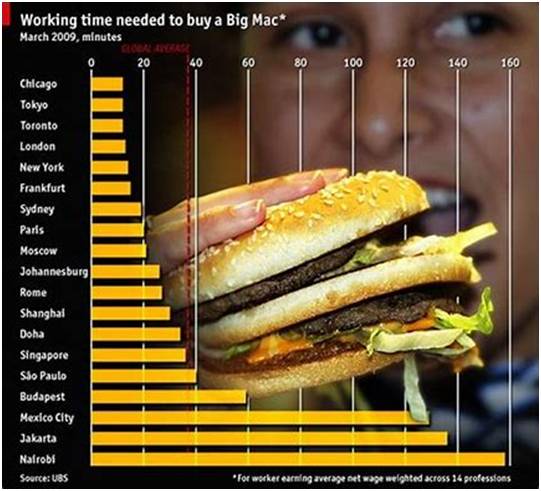
/bitcoin reminded me of microcredit –bitcoin – Search (bing.com)
/ inflation worldwide – Bing images 6/22
/purchasing power parity
/
Where Digital Payments, Even for a 10-Cent Chai, Are Colossal in Scale
| Free exchange |
| Why economics does not understand business |
| Dogma gets in the way |
those who want to abolish the debt ceiling – Search (bing.com) 5/23
/ Banning foreign ownership of land doesn’t protect US. It just scapegoats Asian Americans. (msn.com)
/ triple digit infl in argentina
/ How free-market economics reshaped legal systems the world over (economist.com)
/ Why Europe Can’t Keep Up With America’s Jobs Machine – WSJ
/ Why America Abandoned the Greatest Economy in History (msn.com)atlantic
/ what was the nat debt after wwi and how did we reduce it
/This US President Increased the National Debt by Over 700% (msn.com)
/infl bad for fixed income
/ did one u.s. president grow the debt by 722%? – Search Images yes Wilson? [due to wwi?] and fdr [due to wwii?]
/ Manmohan Singh, Indian Premier Who Spurred Economic Boom, Dies at 92 – The New York Times
Manmohan Singh: The man who saved the Indian Economy in 1991 | YourStory
/3/25 – India Is on a Hiring Binge That Trump’s Tariffs Can’t Stop – The New York Times
A Hiring Binge Abroad – The New York Times
/ Column: President Trump’s economic philosophy that only a leftist could love – Los Angeles Times
———— – – e2
Econ2
Hi pts of commanding hts
COMMANDING HEIGHTS on tv 4/02 – http://www.pbs.org/wgbh/commandingheights/lo/index.html
/lst time I’ve heard of hayeck and von mises on tv. 3/02
/communism spread to l/3rd of the world’s people.
*/hyperinfl. Wiped out the savings of the m.c. in g. after wwi.
As they inflated it to pay their debts. Ah ha. That’s one reasons people blame the terms of the treaty.
/Keynes ideas meant to stop communism.
/jk galbraith was a keynsian.
/infl keeps uib down
/hayek rejected microecomics. Discovered this all on my own and no one to talk to. = self-pity.
/bretton woods created world bank and imf
/Potsdam – suburb of berlin.
/Churchill opposed soc. After wwii. l/3rd of the world adopted it.
/mont peleron
/dem impossible without a free econ. [thus free econ puts pressure for dem?]
*/Ludwig erhart secretly abolished all reg after wwii and the econ took off. – the g econ miracle. wage and price controls never control infl. It brings black market. Take em away and blk market disappears. Medium of currency was am cigs for small biz and and cognac for big. In g. gen clay had a fit.
/[they talk about planning as if it’s only done by gov. it’s done everyday by the pri sector.]
*/hayek couldn’t get hired, cept by the u of chi. It’s out of the mainstream. They produce lot of nobels. Lunch is at the quadrangle club – http://www.uchicago.edu/docs/maps/eastquad/quadclub.html– where they discussed all this. Boola boola. Fried seemed unconcerned with fairness. Jfk was Keynesian. Stagflation was uif and infl. ’70? Nixon went for it too. Ben stein is son of Herbert? Stein.
The eng disease = lots of strikes.
Institute of econ affairs – London. Liked fried.
Keith Joseph in eng was cons. He infl t? eng was more soc than any country outside soviet bloc. He got egged. Intuition is reason in a hurry. 74. world changing and *hayek got a nobel.
[college students are overindulged] Alfred kahn was head of cab under carter. Closed it. = dereg. And demand went way up. [ just like att]. T voted in. paul Volker in. he hated infl, saw the job of the cent bank as to cut infl. he cut supply of $. Of Austrian sch. From 79-87 he was chm of the fed. Now rr in. prime rate over 20%. When? Took 3 yrs. recession of 82 couldn’t be avoided and then all took off. 1 sound $. 2 – dereg. 3 – modest tax rates. 4 – limit gov. spending. T in. 75% of coal mines were losing $. She stood firm, 70k to 3. shock therapy – Jeffery sachs.
———– – –
the power of ideas
hayek [free market] vs Keynes [socialism]
/after wwi hyper inflation wiped out the savings of the middle class
/lst part of series on econ, COMMANDING HEIGHTS was excellent. Hayek vs. Keynes. friedman, sachs, erhart’s economic miracle in germany after wwii, thatcher’s reforms bringing great growth, Reagan doing the same. Loved it. 2nd coming up wed 9 pm kcet
http://www.pbs.org/wgbh/commandingheights/lo/index.html
–e3
Econ3 = recs see de
/lessons of the great depression – it’s on de
*/how to create jobs – http://www.google.com/search?hl=en&q=how+to+create+jobs
Add it to Mop – my op… my view
*/link far right to ment
/job creation
/jump start the econ… had some cartoons, but I didn’t pursue
/$ crisis of late 08 [recession which could become a depression]
/conditions for helping others. /ways to find the best info.
/recession advice. Looks good? – http://www.geekmba360.com/?p=194
The country:
Sources: Fried, soros?,buffet, richard b mckenzie, john stossel, wsj
steve forbes, richard b. mckenzie, john stossel
armey, heritage, brook, buffet,
gen: cut hrs and wages, not jobs. The stimulus, eatable food, cleaners, mw, payroll tax, re to depression, hml – prost?, no health ins now, no urban renewal, cut wars, pri – link, fried, defense via un, il, user fees, unions, subsidies
jim Kramer of mad money
/www.economist.com – didn’t pan out
—————– – – – –
/child labor
/stop gambling, hml, cut waste,
/the underground: abort, numbers, prost…,
/cut back on unions
/living in garages, tents, hmless,
/search salable food, pete stark
/unlicensedclinics – in latino neighbs
/ Tired of Looking for Work, Some Create Their OwnBy MATT RICHTEL and JENNA WORTHAM Some laid-off workers are turning to their inner entrepreneur, in what could be a boon for the economy.
/an excuse to roll out causes
/lessons from il’s
/dumpster diving. Junkyards, public dumps
/ don’t count on uib, avoid feel good, scams, some car auctions, 40+, search job sites, advice for job seekers, those out of work,
–e4
Econ4
Thanks to disasters of its own making, the agency is losing money and influence.
By Mark Weisbrot
April 27, 2008
‘The imf is back,” declared the International Monetary Fund’s managing director, Dominique Strauss-Kahn, at its annual spring meeting earlier this month in Washington. And not a moment too soon either. To hear the organization’s economists tell it (as they mingled in five-star hotels, long black limos and posh restaurants with bankers, businessmen and finance ministers from around the globe), they’ve arrived on the scene just in time to help solve the world’s financial crisis.
But despite the bravado, the reality is that today’s IMF is /not what it once was. These days, the world’s most famous deficit police force is running a whopping small-country-size $400-million annual deficit of its own and is being forced into some of the same kinds of “structural adjustments” it used to impose on indebted Third World nations. In just the last four years, the IMF’s total loan portfolio has /shrunk from $105 billion to less than $10 billion; over half of the current portfolio consists of loans to Turkey and Pakistan. To cut costs, the agency is reducing staff and closing offices.
The IMF’s loss of /influence is probably the most important change in the international financial system in more than half a century. Until just a few years ago, the IMF — originally created at the Bretton Woods conference on international economic cooperation in 1944 — was one of the most powerful financial institutions in the world and //the major avenue of influence for the United States ??????????? in developing countries.
This wasn’t so much a result of the money that it lent — the World Bank loans much more — but because of its position at the top of a hierarchy of official creditors. Until a few years ago, a developing-country government that did not meet IMF conditions risked being economically strangled. The World Bank, regional banks such as the Inter-American Development Bank, rich lender governments and sometimes even the private sector would withhold lending until the government reached agreement with the IMF.
At the top of this powerful creditors cartel sat the U.S. Treasury Department, which holds a formal veto over many of the IMF’s decisions and is an informal power within the organization that marginalizes even the other rich countries. Developing countries — the ones that have historically borne the brunt of IMF decisions — have little or no effective voice in the decision-making of the organization, where the majority of votes of the 185 member nations are assigned to the rich members.
But the IMF lost credibility after presiding over a series of economic disasters. Latin America, for example, suffered its worst long-term growth failure in modern history under the IMF’s tutelage since 1980. The IMF’s “shock therapy” program in Russia vastly underestimated the time it would take to transition from a planned to a capitalist economy in the early ’90s. The result was a lot of shock and no therapy, and tens of millions were pushed into poverty as the economy collapsed.
The Asian financial crisis in the late 1990s was a tipping point. The IMF and the U.S. Treasury helped cause the crisis by pushing for the removal of important regulations on foreign capital flows. Then they made it worse with their policy recommendations, prompting economist Jeffrey Sachs — now head of Columbia University’s Earth Institute — to say that “the IMF has become the Typhoid Mary of emerging markets, spreading recessions in country after country.” ?????
Some of these mistakes were because of incompetence; others were driven by ideological or special interests. But the result was that developing countries began voting with their feet, piling up international reserves so that they would never have to borrow again from the IMF cartel.
The IMF-supervised Argentine disaster from 1998 to 2002, which pushed the majority of Argentines below the official poverty line in a country that was previously one of the richest in the region, further sullied the fund’s reputation. Argentina then defied the IMF, refused its conditions, got no international help and rapidly transformed itself into the fastest-growing economy in the hemisphere. ??????? This too was noticed.
The collapse of the IMF creditors cartel has been a huge blow to U.S. influence. It was most pronounced in Latin America, where most of a region that used to be referred to as the United States’ “backyard” is now governed by states that are more independent of Washington than Europe is.
The problem is that poorer developing countries, especially in Africa, remain dependent on foreign aid from the IMF (and the World Bank and other sources) to fund their basic budget and import needs. This can be harmful to their development and their people. In recent years, the IMF — insisting that such measures are necessary to hold down inflation — has imposed conditions that limit their public spending and, according to the fund’s own internal evaluation, have prevented these countries from spending aid money on urgent needs, such as healthcare and education.
These countries need to join the rest of the developing world in breaking free of the IMF’s policy conditions. The U.S. Congress may consider legislation that would pressure the IMF to use some of its huge gold reserves for debt cancellation 0000000000000 and to limit the IMF’s control over policy in poor countries. These would be important steps forward for the world’s poor.
Mark Weisbrot is co-director of the Center for Economic and Policy Research in Washington. ( www.cepr.net).
——————– – – – – – – –
Subprime Europe
By LIAQUAT AHAMED
Losses on subprime mortgages in the United States have already caused a Depression-like banking collapse. Well, believe it or not, Europe’s current crisis is scarier.
The Armageddon Waltz
By FREDERIC MORTON
In 1913, Austria had to deal with a housing problem and a costly military commitment, as America does now.
================================== === ====
EDITORIAL OBSERVER; Out of Work? Read a Recession Blog. Or, Better Yet, Write One. [went thru em all]
==================== = = = = = = far over my head. scary:
/Four Deformations of the ApocalypseBy DAVID STOCKMAN How my Republican Party destroyed the American economy.
Four Deformations of the Apocalypse
By DAVID STOCKMAN
IF there were such a thing as Chapter 11 for politicians, the Republican push to extend the unaffordable Bush tax cuts would amount to a bankruptcy filing. The nation’s public debt — if honestly reckoned to include municipal bonds and the $7 trillion of new deficits baked into the cake through 2015 — will soon reach $18 trillion. That’s a Greece-scale 120 percent of gross domestic product, and fairly screams out for austerity and sacrifice. It is therefore unseemly for the Senate minority leader, Mitch McConnell, to insist that the nation’s wealthiest taxpayers be spared even a three-percentage-point rate increase.
More fundamentally, Mr. McConnell’s stand puts the lie to the Republican pretense that its new monetarist and supply-side doctrines are rooted in its traditional financial philosophy. Republicans /used to believe that prosperity depended upon the regular balancing of accounts — in government, in international trade, on the ledgers of central banks and in the financial affairs of private households and businesses, too. But the new catechism, as practiced by Republican policymakers for decades now, has amounted to little more than money printing and deficit finance — vulgar Keynesianism robed in the ideological vestments of the prosperous classes.
This approach has not simply made a mockery of traditional party ideals. It has also led to the serial financial bubbles and Wall Street depredations that have crippled our economy. More specifically, the new policy doctrines have caused four great deformations of the national economy, and modern Republicans have turned a blind eye to each one.
1 The first of these started when the Nixon administration defaulted on American obligations under the 1944 Bretton Woods agreement to balance our accounts with the world. Now, since we have lived beyond our means as a nation for nearly 40 years, our cumulative current-account deficit — the combined shortfall on our trade in goods, services and income — has reached nearly $8 trillion. That’s borrowed prosperity on an epic scale.
It is also an outcome that Milton /Friedman said could never happen when, in 1971, he persuaded President Nixon to unleash on the world paper dollars no longer redeemable in gold or other fixed monetary reserves. Just let the free market set currency exchange rates, he said, and trade deficits will self-correct.
It may be true that governments, because they intervene in foreign exchange markets, have never completely allowed their currencies to float freely. But that does not absolve Friedman’s $8 trillion /error. Once relieved of the discipline of defending a fixed value for their currencies, politicians the world over were free to cheapen their money and disregard their neighbors.
In fact, since chronic current-account deficits result from a nation spending more than it earns, stringent domestic belt-tightening is the only cure. /When the dollar was tied to fixed exchange rates, politicians were willing to administer the needed castor oil, because the alternative was to make up for the trade shortfall by paying out reserves, and this would cause immediate economic pain — from high interest rates, for example. But now there is /no discipline, only global monetary chaos as foreign central banks run their own printing presses at ever faster speeds to sop up the tidal wave of dollars coming from the Federal Reserve.
2 The second unhappy change in the American economy has been the extraordinary growth of our public /debt. In 1970 it was just 40 percent of gross domestic product, or about $425 billion. When it reaches $18 trillion, it will be 40 times greater than in 1970. This debt explosion has resulted not from big spending by the Democrats, but instead the Republican Party’s embrace, about three decades ago, of the insidious doctrine that deficits don’t matter if they result from tax cuts.
In 1981, traditional Republicans supported tax cuts, matched by spending cuts, to offset the way inflation was pushing many taxpayers into higher brackets and to spur investment. The Reagan administration’s hastily prepared fiscal blueprint, however, was no match for the primordial forces — the welfare state and the warfare state — that drive the federal spending machine.
Soon, the /neocons were pushing the military budget skyward. And the Republicans on Capitol Hill who were supposed to cut spending exempted from the knife most of the domestic budget — entitlements, farm subsidies, education, water projects. But in the end it was a new cadre of ideological tax-cutters who killed the Republicans’ fiscal religion.
Through the 1984 election, the old guard earnestly tried to control the deficit, rolling back about 40 percent of the original Reagan tax cuts. But when, in the following years, the Federal Reserve chairman, Paul Volcker, finally crushed inflation, enabling a solid economic rebound, the new tax-cutters not only claimed victory for their supply-side strategy but hooked Republicans for good on the delusion that the economy will outgrow the deficit if plied with enough tax cuts.
By fiscal year 2009, the tax-cutters had reduced federal revenues to 15 percent of gross domestic product, lower than they had been since the 1940s. Then, after rarely vetoing a budget bill and engaging in two unfinanced foreign military adventures, George W. Bush surrendered on domestic spending cuts, too — signing into law $420 billion in non-defense appropriations, a 65 percent gain from the $260 billion he had inherited eight years earlier. Republicans thus/ joined the Democrats in a shameless embrace of a free-lunch fiscal policy.
3 The third ominous change in the American economy has been the vast, unproductive expansion of our financial sector. Here, Republicans have been oblivious to the grave danger of flooding financial markets with freely printed money and, at the same time, removing traditional restrictions on leverage and speculation. As a result, the combined assets of conventional banks and the so-called shadow banking system (including investment banks and finance companies) grew from a mere $500 billion in 1970 to $30 trillion by September 2008.
But the trillion-dollar conglomerates that inhabit this new financial world are not free enterprises. They are rather wards of the state, extracting billions from the economy with a lot of pointless speculation in stocks, bonds, commodities and derivatives. They could never have survived, much less thrived, if their deposits had not been /government-guaranteed and if they hadn’t been able to obtain virtually free money from the Fed’s discount window to cover their bad bets.
4 The fourth destructive change has been the hollowing out of the larger American economy. Having lived beyond our means for decades by borrowing heavily from abroad, we have steadily sent jobs and production offshore. In the past decade, the number of high-value jobs in goods production and in service categories like trade, transportation, information technology and the professions has shrunk by 12 percent, to 68 million from 77 million. The only reason we have not experienced a severe reduction in nonfarm payrolls since 2000 is that there has been a gain in low-paying, often part-time positions in places like bars, hotels and nursing homes.
It is not surprising, then, that during the last bubble (from 2002 to 2006) the top 1 percent of Americans — paid mainly from the Wall Street casino — received two-thirds of the gain in national income, while the bottom 90 percent — mainly dependent on Main Street’s shrinking economy — got only 12 percent. This growing wealth gap is not the market’s fault. It’s the decaying /fruit of bad economic policy.
The day of national reckoning has arrived. We will not have a conventional business recovery now, but rather a long hangover of debt liquidation and downsizing — as suggested by last week’s news that the national economy grew at an anemic annual rate of 2.4 percent in the second quarter. Under these circumstances, it’s a pity that the modern Republican Party offers the American people an irrelevant platform of recycled Keynesianism when the old approach — balanced budgets, sound money and financial discipline — is needed more than ever.
David Stockman, a director of the Office of Management and Budget under President Ronald Reagan, is working on a book about the financial crisis.
Presidents and Their Debts, F.D.R. to Bush Who were the true budget hawks? Who were the Keynesians? Some historians tell us how the past led to the current budget standoff in Washington.
The Path Not TakenBy PAUL KRUGMAN There were alternatives to the economic doctrine that championed bank bailouts and mass suffering from the public. Look at Iceland.
/this by stockman? Paul Ryan’s Fairy-Tale Budget PlanBy DAVID A. STOCKMAN
Paul D. Ryan’s talk of shrinking Big Government and giving tax cuts to “job creators” will do nothing to reverse the nation’s economic decline and arrest its fiscal collapse. 8/l2 wow, scarey.
State-Wrecked: The Corruption of Capitalism in America By DAVID A. STOCKMAN
Eight decades of bipartisan Keynesian spending and Federal Reserve money-printing have left us exhausted and bankrupt. 3/l3
/ On the Economy, Think Long-Term By JEFFREY D. SACHS Our underlying economic problems aren’t temporary. To fix them, we need a strategy for the next 20 years.
| /In Fed and Out, Many Now Think Inflation Helps By BINYAMIN APPELBAUM As Federal Reserve policy makers prepare to meet this week, there is growing concern inside and outside the Fed that inflation is not rising fast enough. Graphic: Inflation Fails l0/l3 |
The Organisation for Economic Co-operation and Development warns Tokyo it should avoid any additional stimulus beyond what is already planned if it cares about its fiscal health.
/ Opinion: Obama’s Stimulus, Five Years Later
/Henry Hazlitt is a great man. His incredible body of work will live on for centuries. we have built a site that promotes his libertarian beliefs – http://www.wesayuk.com [not bad]
/A Win for Latin America’s Middle Class By SIMON ROMERO The arrival in Brazil of more than 200,000 fans from Latin America exemplifies one of the region’s most profound shifts: the rise of the middle class. 6/l4
Lessons Not Learned By JOE NOCERA The S.&L. crisis could have helped us avoid the financial crisis.
/ Bloc in Europe Starts to Balk Over Austerity By JIM YARDLEY and JACK EWING
Many of the largest European countries, including France and Italy, are now rebelling against the German gospel of belt-tightening and calling for more radical steps to reverse their slumping fortunes. L0/l4
/ crazy?:

Mario Draghi Says E.C.B. Will ‘Do What We Must’ to Stoke Inflation
——————————————————— – – –
—————————————- – – –
What Is Glass-Steagall? The 82-Year-Old Banking Law That Stirred the Debate A look at why the Democratic presidential candidates Bernie Sanders and Martin O’Malley want to reinstate it.
/ http://time.com/4293549/james-grant-united-states-debt/ great but doesn’t have the graphs the print edition does. 4/25/l6 time mag
/ 3/l8 – all the way thru half I thot free trade was and is still best – https://www.nytimes.com/2018/03/15/opinion/paul-krugman-aluminum-steel-trade-tariffs.html?emc=edit_th_180316&nl=todaysheadlines&nlid=397240710316
/ How Trade Wars Begin By ERICA BERENSTEIN The banana wars of the 1990s were spats that escalated, tariff by tariff, into a decades-long dispute between the United States and the European Union.
/ Trade Is Not a Job KillerBy DONALD J. BOUDREAUX Routine job destruction, innovation and changing tastes destroy a lot more jobs than China does.
/ https://en.wikipedia.org/wiki/History_of_the_United_States_public_debt
/ countries with surpluses https://www.bing.com/images/search?q=countries+with+a+budget+surplus&FORM=HDRSC2
Same for cities, states
/https://www.bing.com/images/search?q=budget+balance+of+countries&form=HDRSC2&first=1&cw=1157&ch=580
/ The folly of buying local – Buy American is an economic-policy mistake | Leaders | The Economist
/ while the rest of us die – Bing seemed good…….but biased
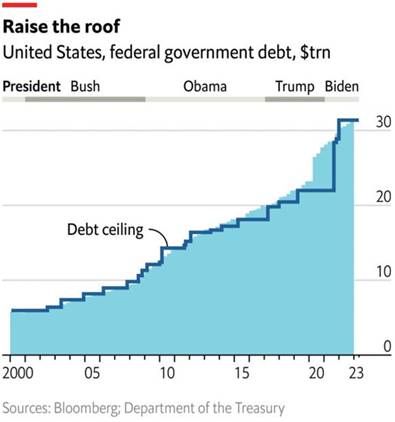
//
/ ———————————– – – –
Opinion | The Civil War’s Lessons for Avoiding Default – The New York Times (nytimes.com)

